



The 2025 edition of the campaign was implemented under the theme “Your Choice Leaves Traces,” aligning with …
By Nakanda Iyadim
The Cross River State Government, through the State Agency for the Control of AIDS (CR-SACA) and the Ministry of Health, with support from the United Nations Population Fund (UNFPA) and other partners, has successfully concluded the 9th edition of the “Wise Up Carnival Calabar” Youth Health Campaign.
The month-long campaign, which ran from December 1 (World AIDS Day) to December 29, 2025, was implemented alongside the annual Calabar Festival and the iconic Carnival Calabar, popularly known as Africa’s biggest street party.
Since its introduction in 2016, the Wise Up Carnival Campaign has become a strategic platform for the State Government to reach adolescents and young people with sexual and reproductive health services, HIV prevention messages, and other essential healthcare services, particularly during the festive season when large numbers of visitors troop into the State.
The 2025 edition of the campaign was implemented under the theme “Your Choice Leaves Traces,” aligning with Carnival Calabar’s 20th anniversary theme, “Traces of Time.” The message emphasised the importance of responsible decision-making and the long-term health implications of choices made during periods of celebration.
A major highlight of the campaign was the establishment of a Wise Up Health Booth at the Calabar Christmas Village, one of the busiest social and entertainment centres during the festive period. The booth provided youth-friendly and stigma-free access to integrated health services, outside the traditional hospital setting.
Over 21 days, the campaign recorded impressive results. Nearly 100,000 persons were reached with direct health education, behavioural counselling and sexual and reproductive health information and services. More than 181,824 male and female condoms were distributed, while 1,189 persons received HIV testing, with all positive cases promptly linked to care and treatment.
Other services provided included malaria and hepatitis screening, blood pressure and blood sugar checks, family planning services, pregnancy testing, medical consultations and referrals, as well as counselling and referral services for survivors of gender-based violence.
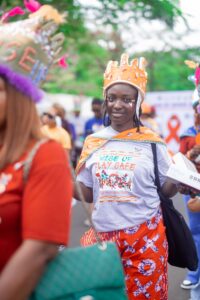
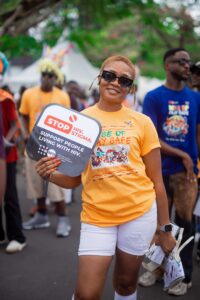
Implementation of the campaign was driven by over 75 trained volunteers, including health personnel from the Cross River State Ministry of Health, youth peer educators, civil society representatives and creative artistes. During the grand carnival parade on December 29, volunteers participated as a non-competing “Wise Up Health Band,” engaging spectators along the 12-kilometre carnival route with health messages, condom distribution and advocacy for increased investment in the health sector, particularly in the context of declining donor funding.
Flagging off the campaign earlier in the month, Governor Bassey Otu, represented by the Commissioner for Health, Dr Henry Egbe Ayuk, reaffirmed the State Government’s commitment to sustaining integrated health service delivery during major public events.
Speaking on the campaign, the Director-General of CR-SACA, Dr Charles Iwara, described Wise Up as a cost-effective and practical approach to maintaining HIV prevention and youth health services during periods of high mobility.
Also speaking, Mr Oke Nteigbanam, Adolescent SRH/HIV Analyst with UNFPA in Cross River State, noted that the carnival provided a unique opportunity to reach young people in a relaxed, stigma-free environment.
“As young people celebrate during the festive period, the Wise Up Campaign ensures they also receive the right information and services to make informed choices about their health,” he said.
As Carnival Calabar marked its 20th anniversary, the successful implementation of the 2025 Wise Up Campaign further demonstrated the Cross River State Government’s commitment to promoting adolescent and youth health, strengthening HIV prevention efforts, and ensuring that cultural celebrations go hand in hand with responsible health choices.
The achievements recorded underscore the critical need for increased and sustained investment in adolescent and youth health, to consolidate gains and ensure the long-term impact of public health interventions across the State.
See pictures: