


The session highlighted the urgent need for sustained maintenance of public water facilities, noting that infrastructure projects often fail prematurely due to neglect, poor management, or lack of accountability.
By TheInvestigator
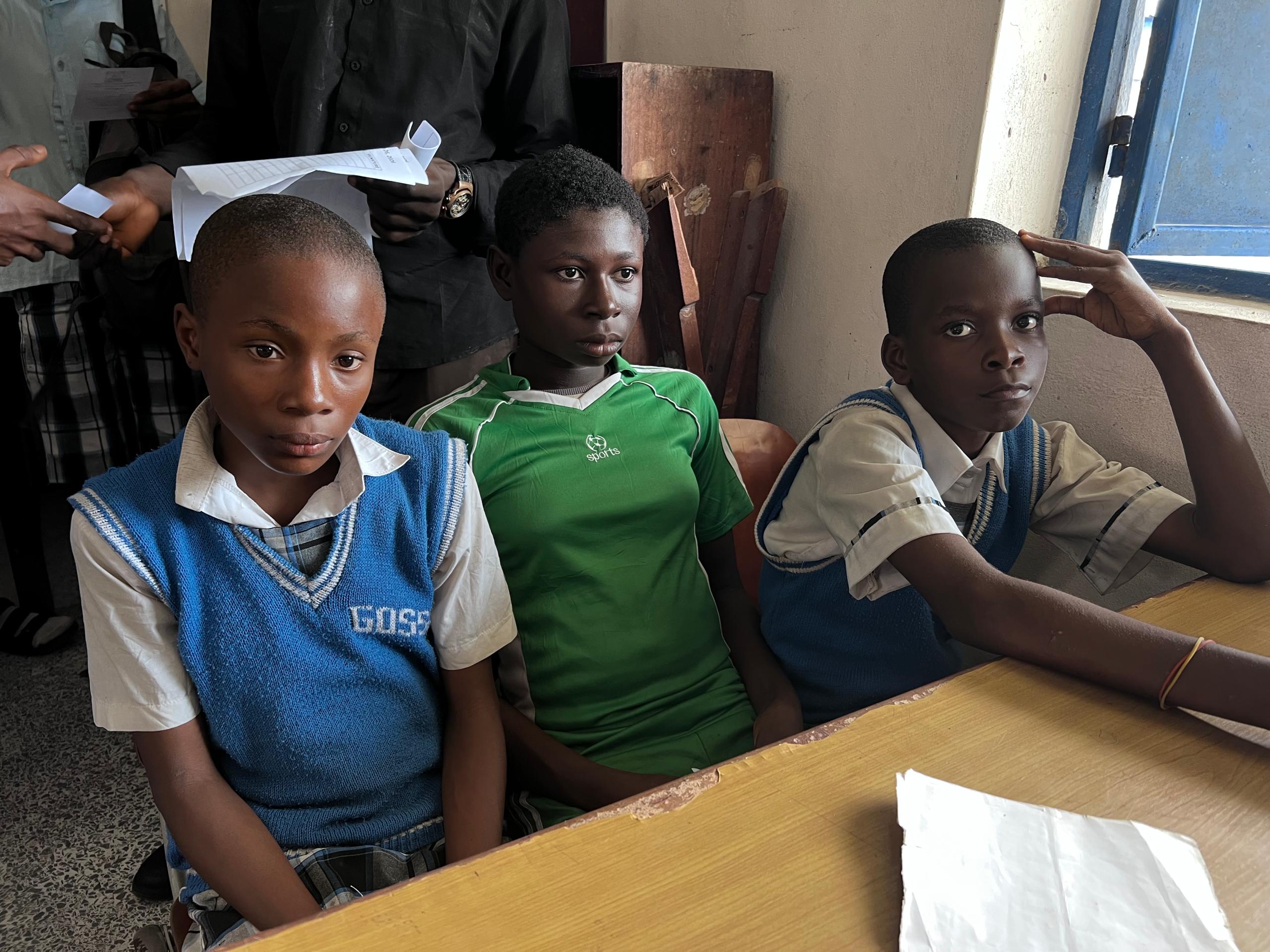
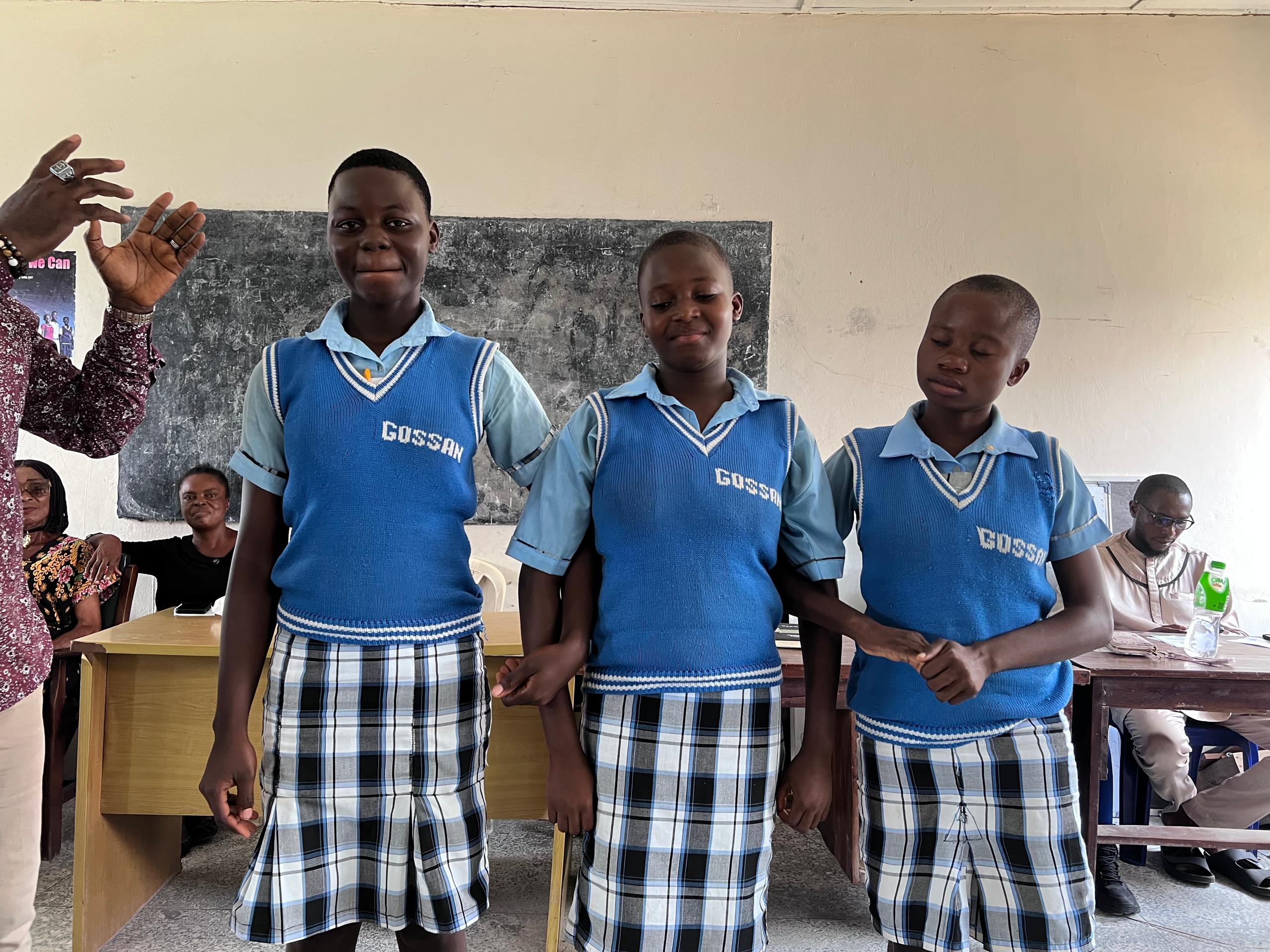
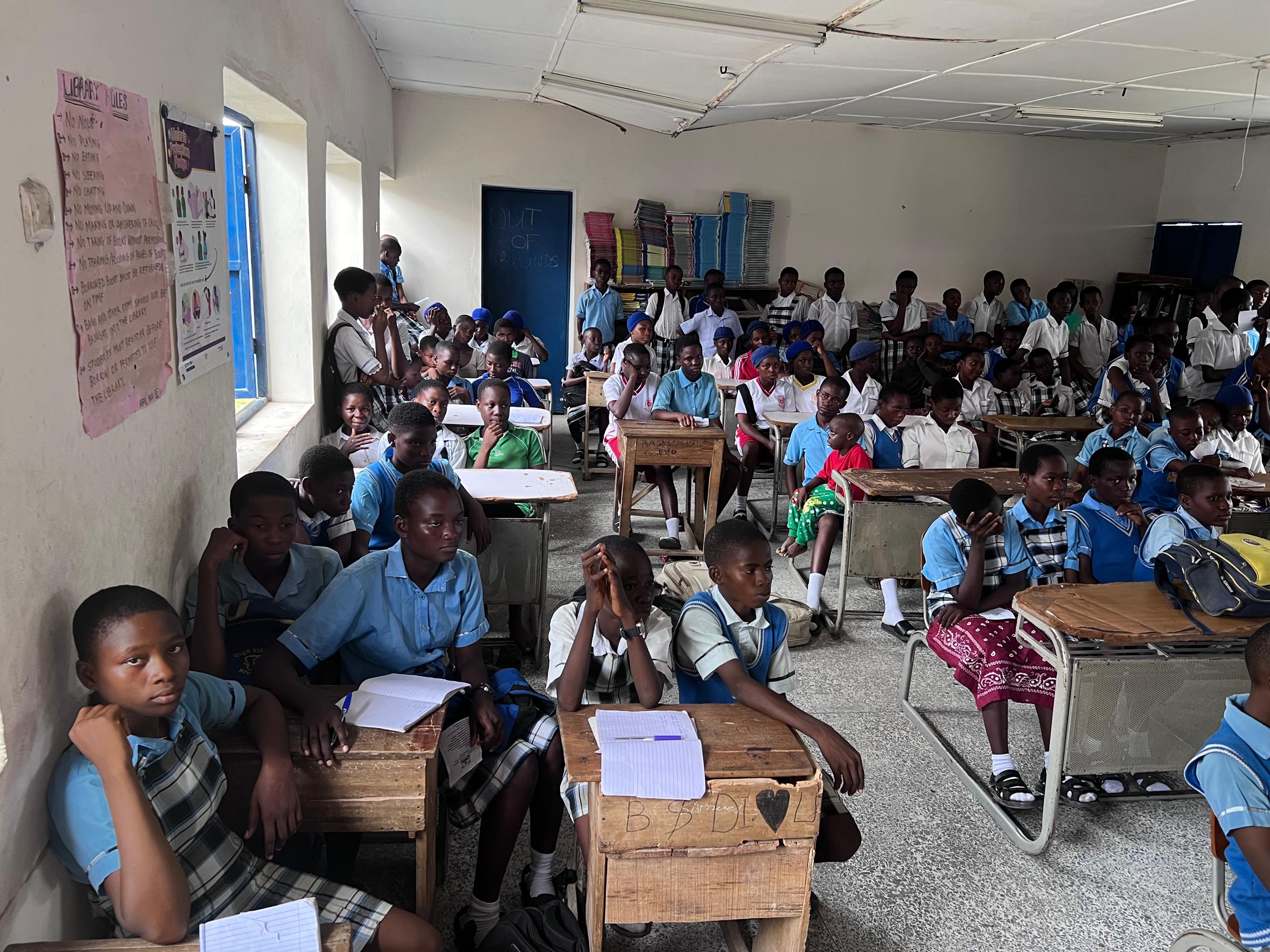
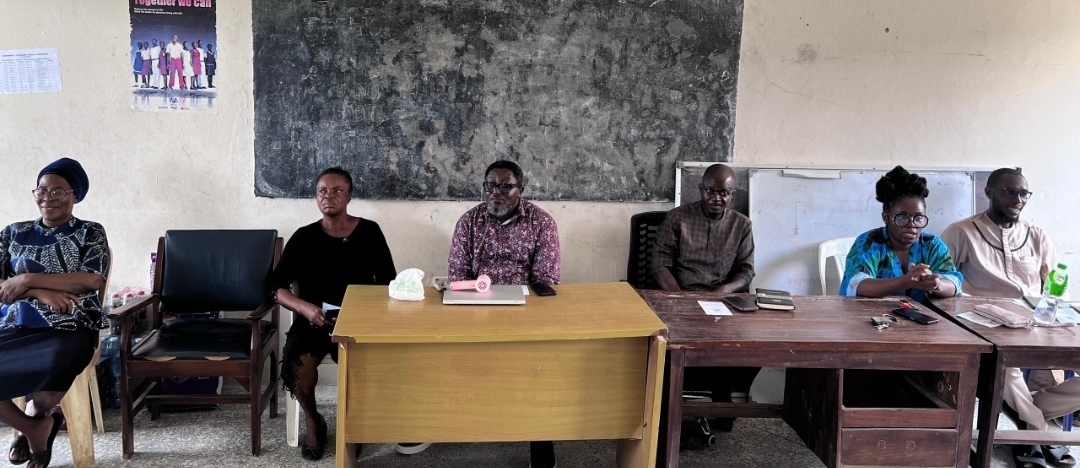
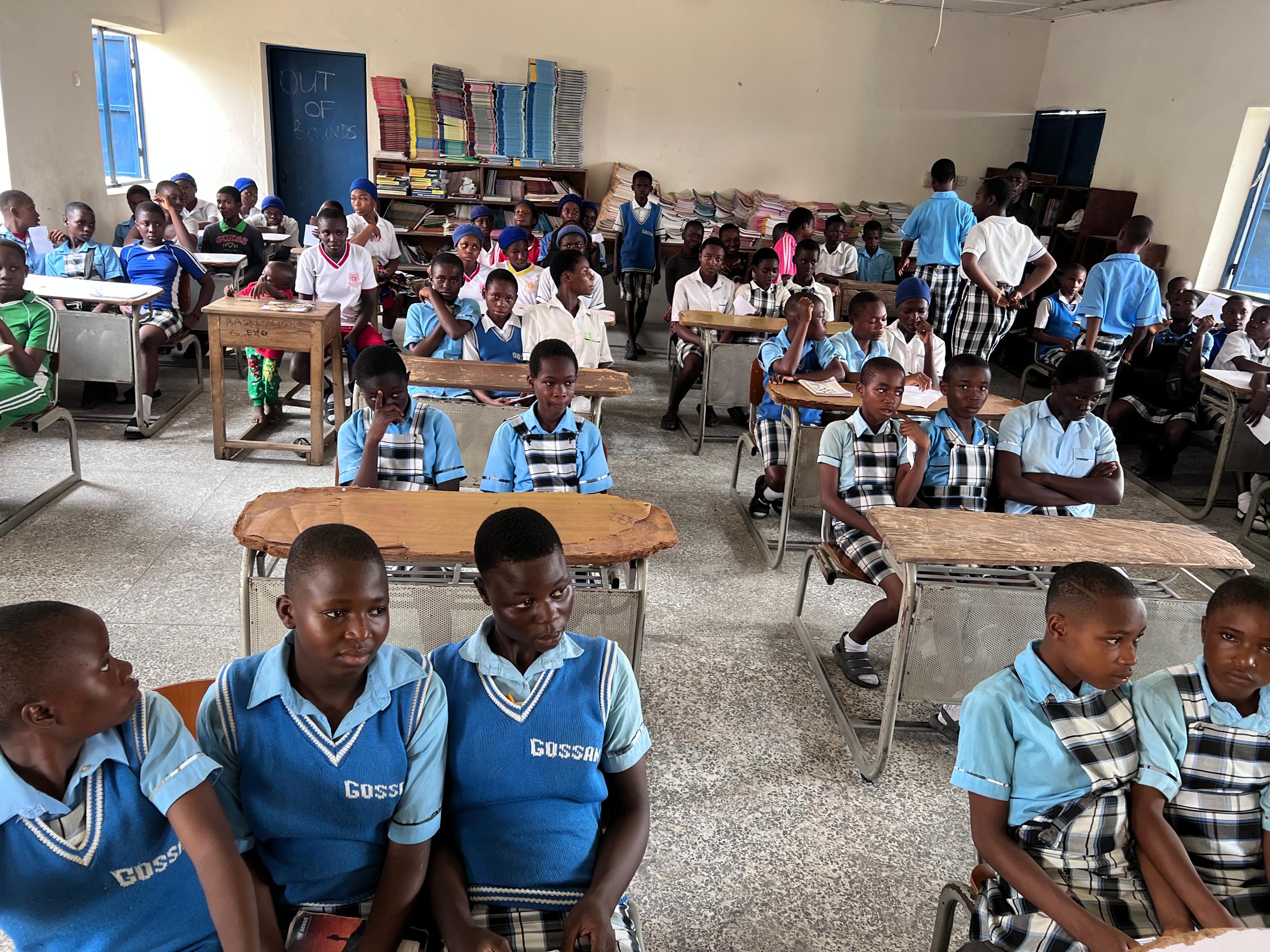
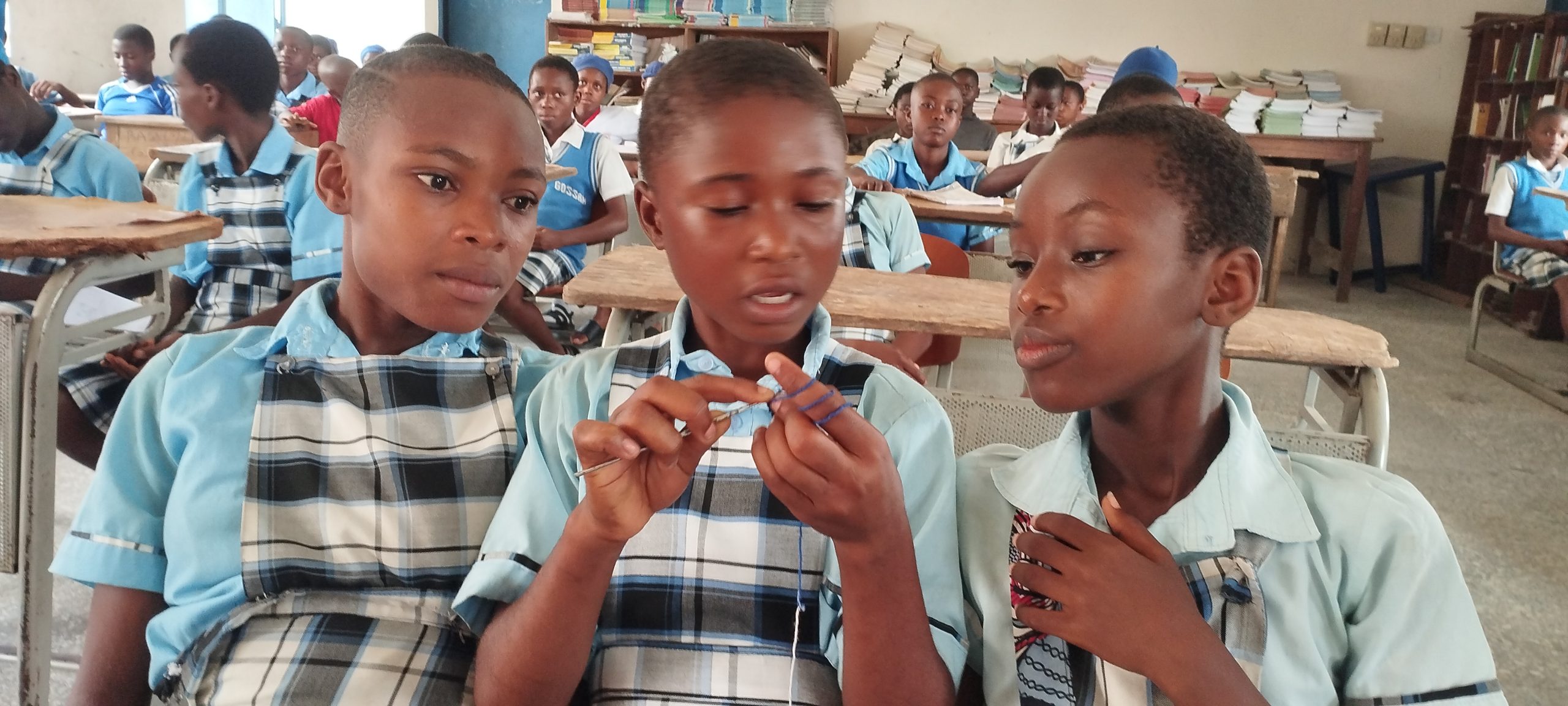
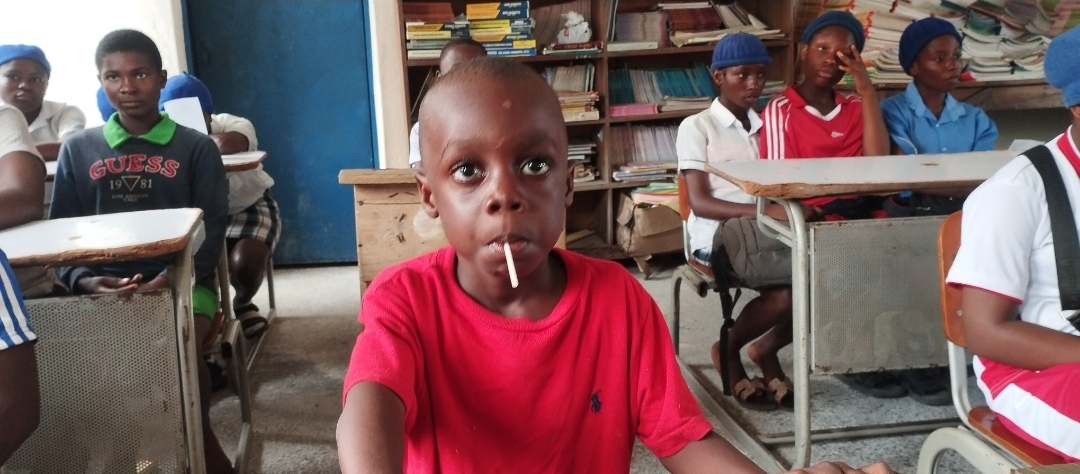
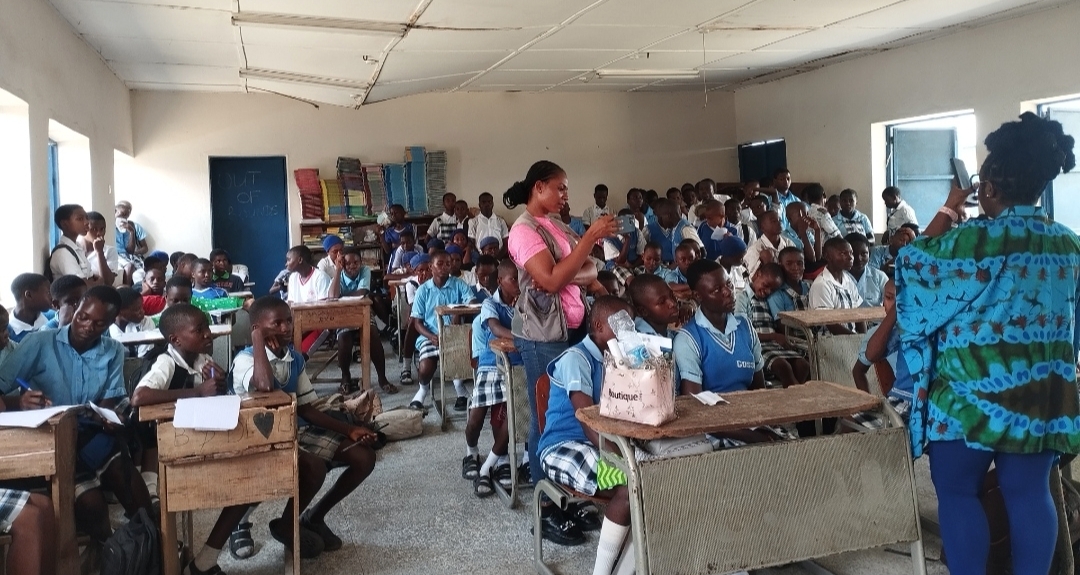
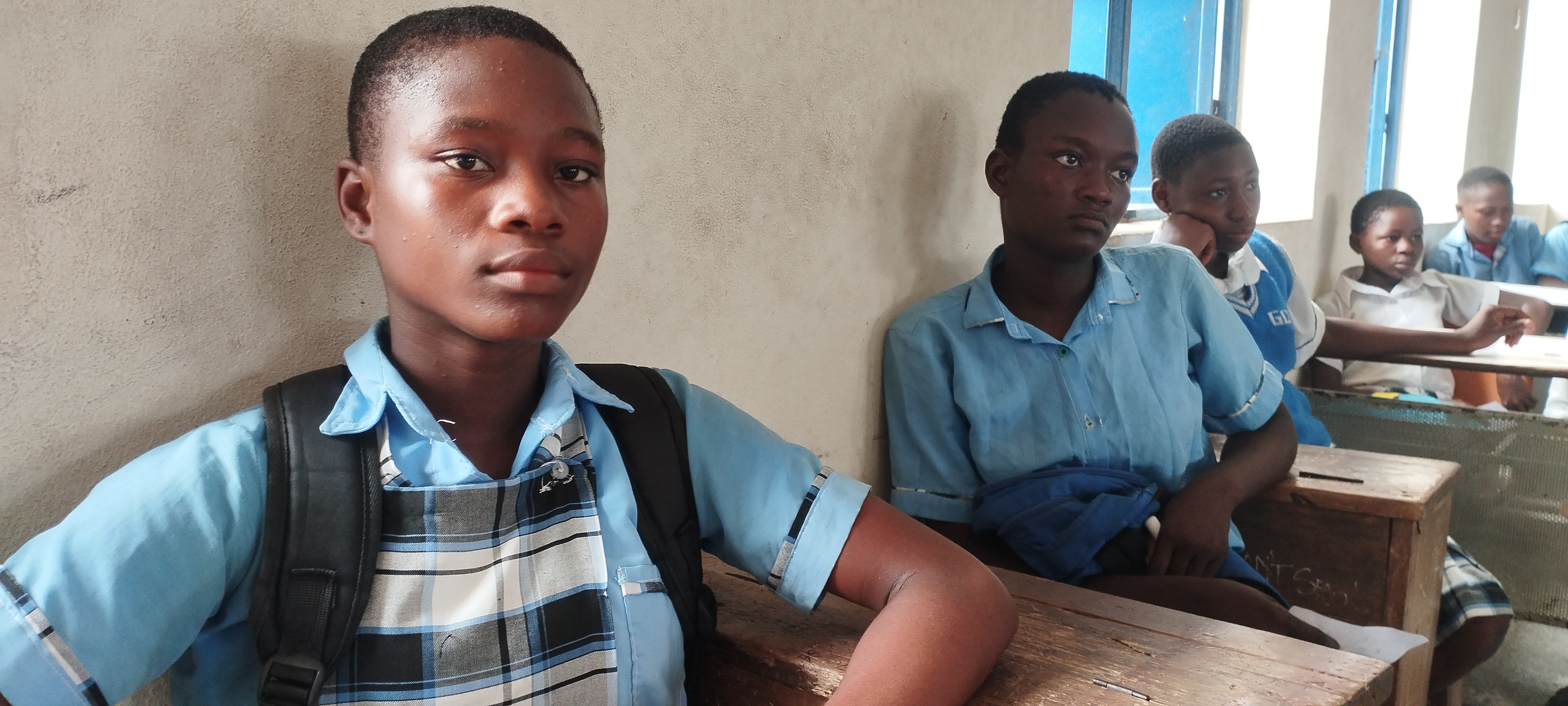
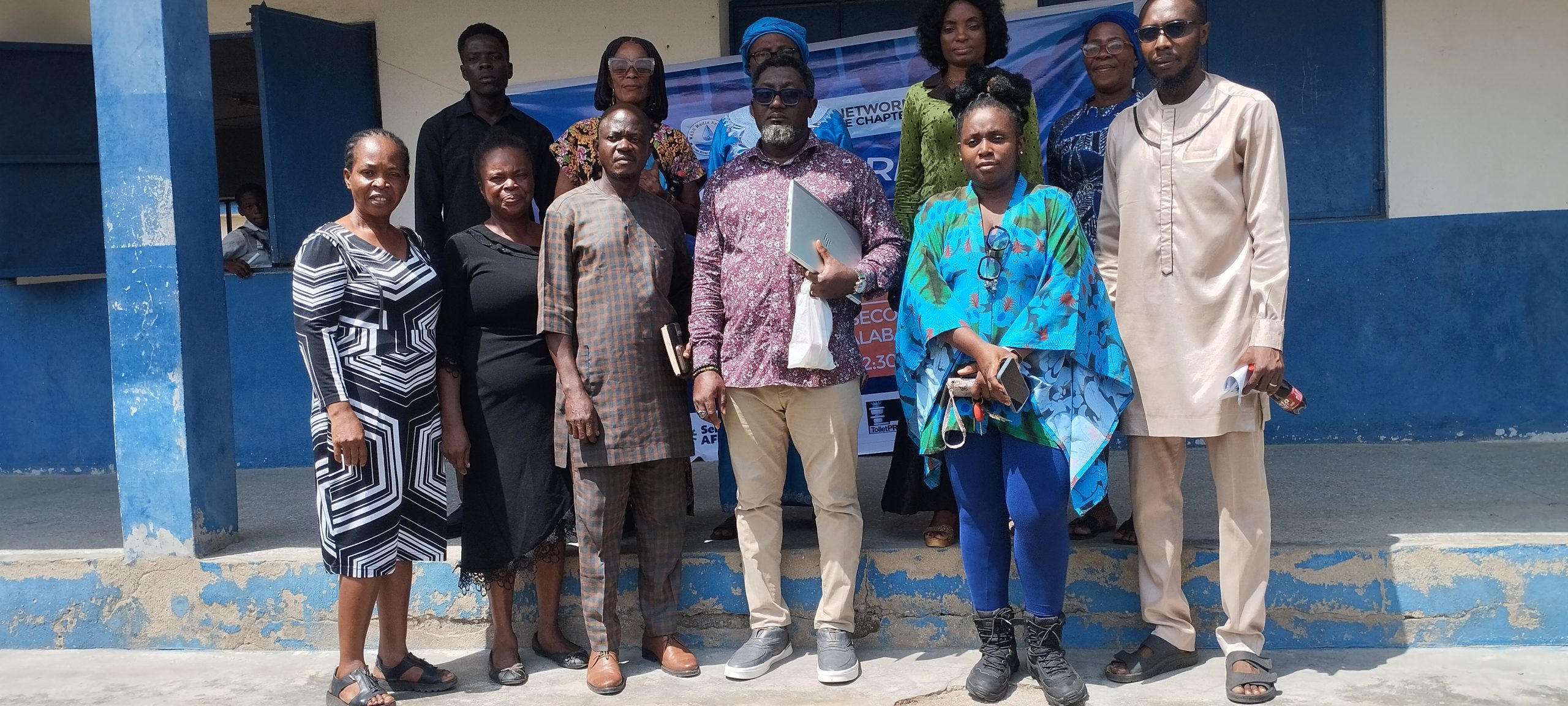
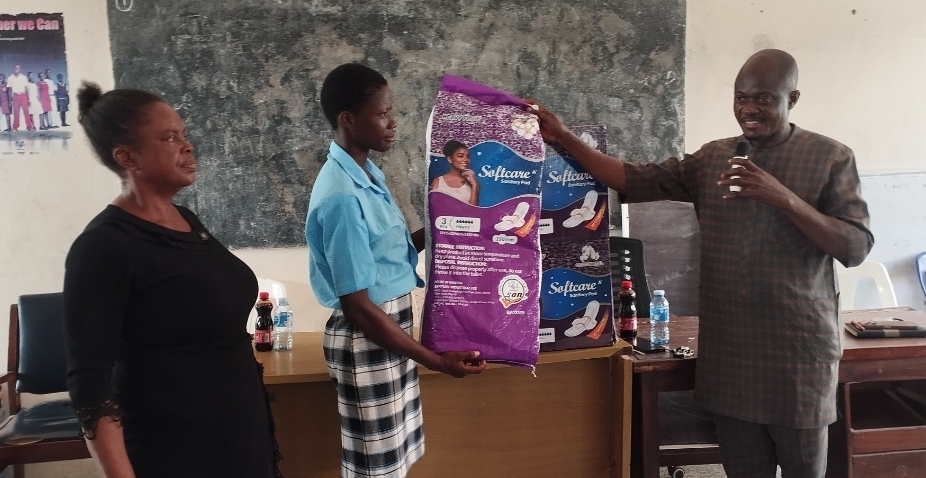
The Cross River State Chapter of the WASH Media Network has raised fresh concerns over the persistent lack of functional water and sanitation facilities in public schools, following an outreach to Government Secondary School, Anantigha, in Calabar South Local Government Area, where more than one hundred sanitary pads were distributed to students to support menstrual hygiene management.
The intervention, carried out on Thursday, March 26, 2026, as part of activities to commemorate World Water Day 2026, exposed the troubling reality that many schools continue to operate without a reliable water supply, despite their proximity to government institutions and previous infrastructure interventions.
The outreach combined hygiene education with practical support for students, particularly adolescent girls, while highlighting the direct link between water access, sanitation, and school attendance.
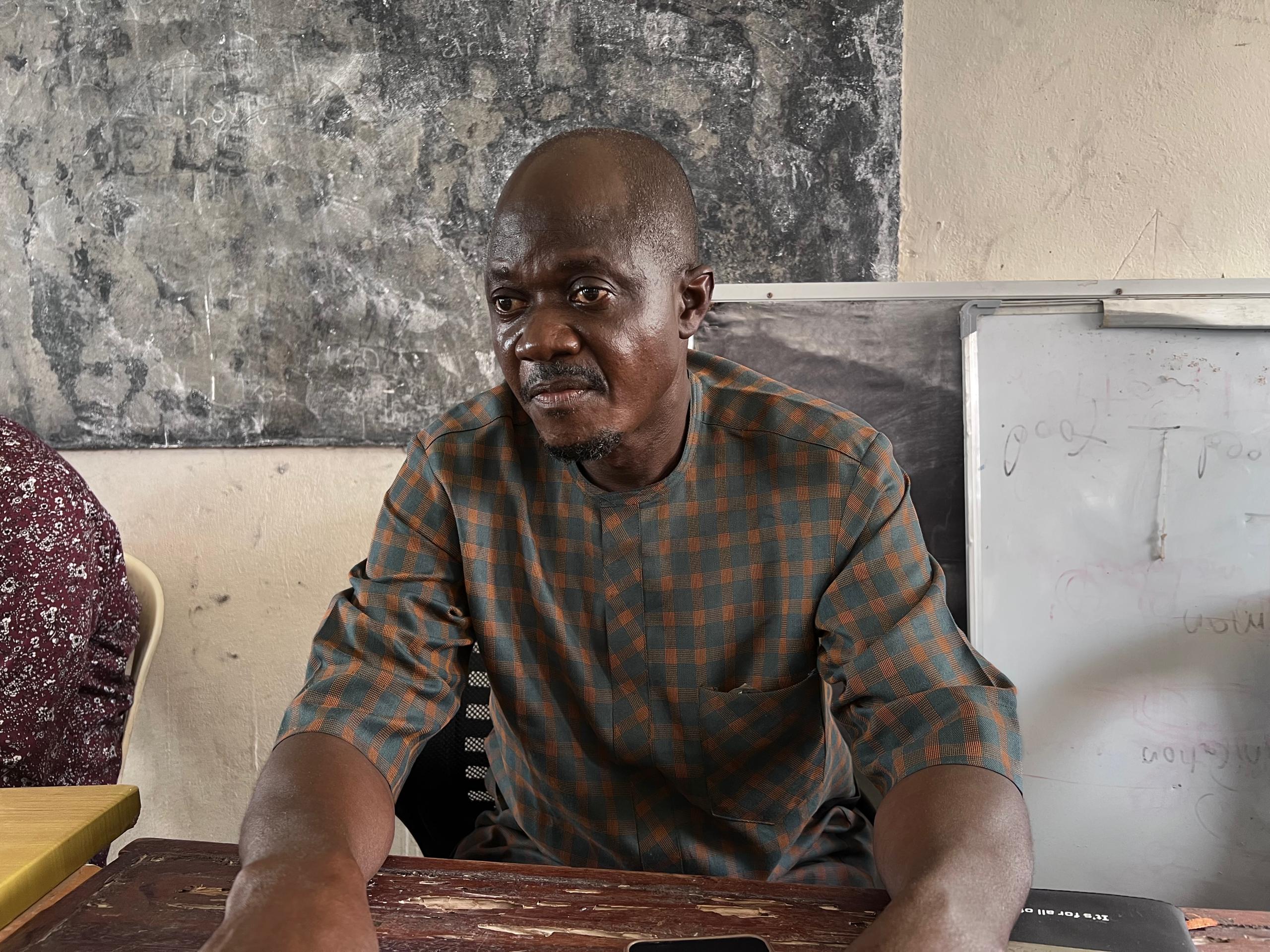
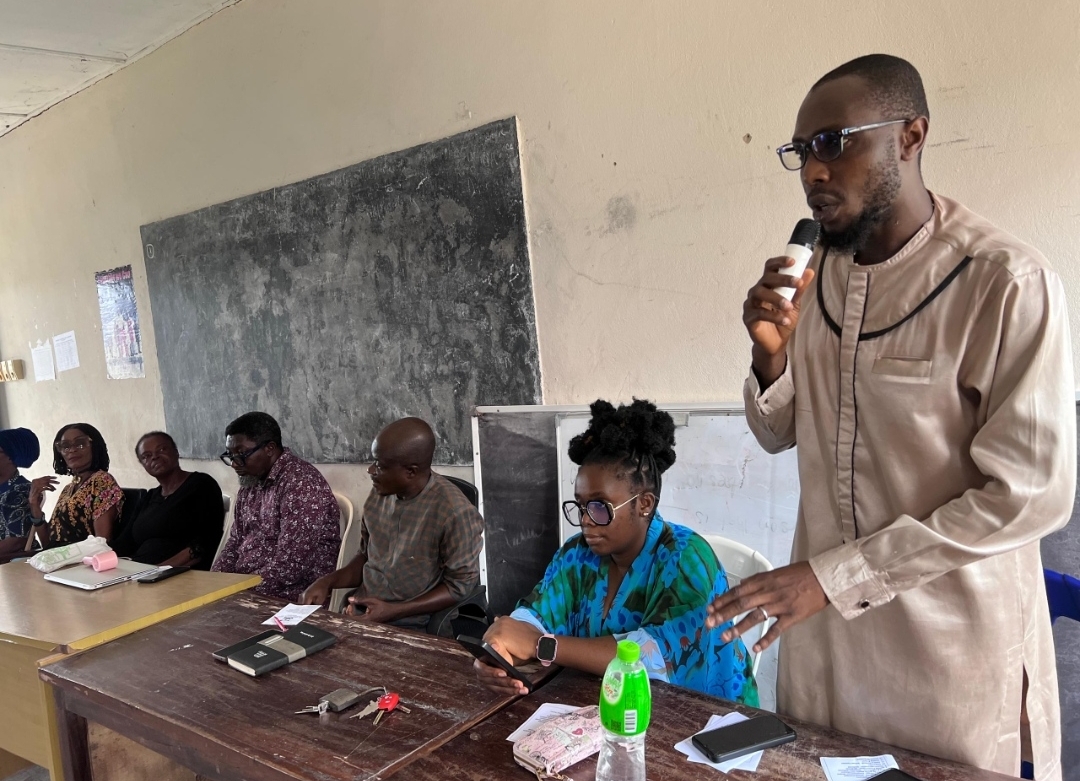
Delivering the first lecture, Mr Augustine Oyongha, a representative of the Borehole Drillers Association of Nigeria (BORDAN), educated students on the safe management of water sources and the importance of protecting water infrastructure. He demonstrated the use of basic water testing kits and issued a stark warning on the health risks associated with contaminated water.
“When the water source is contaminated, you’re eating faeces,” he cautioned, underscoring the public health dangers of unsafe water consumption.
The session highlighted the urgent need for sustained maintenance of public water facilities, noting that infrastructure projects often fail prematurely due to neglect, poor management, or lack of accountability.
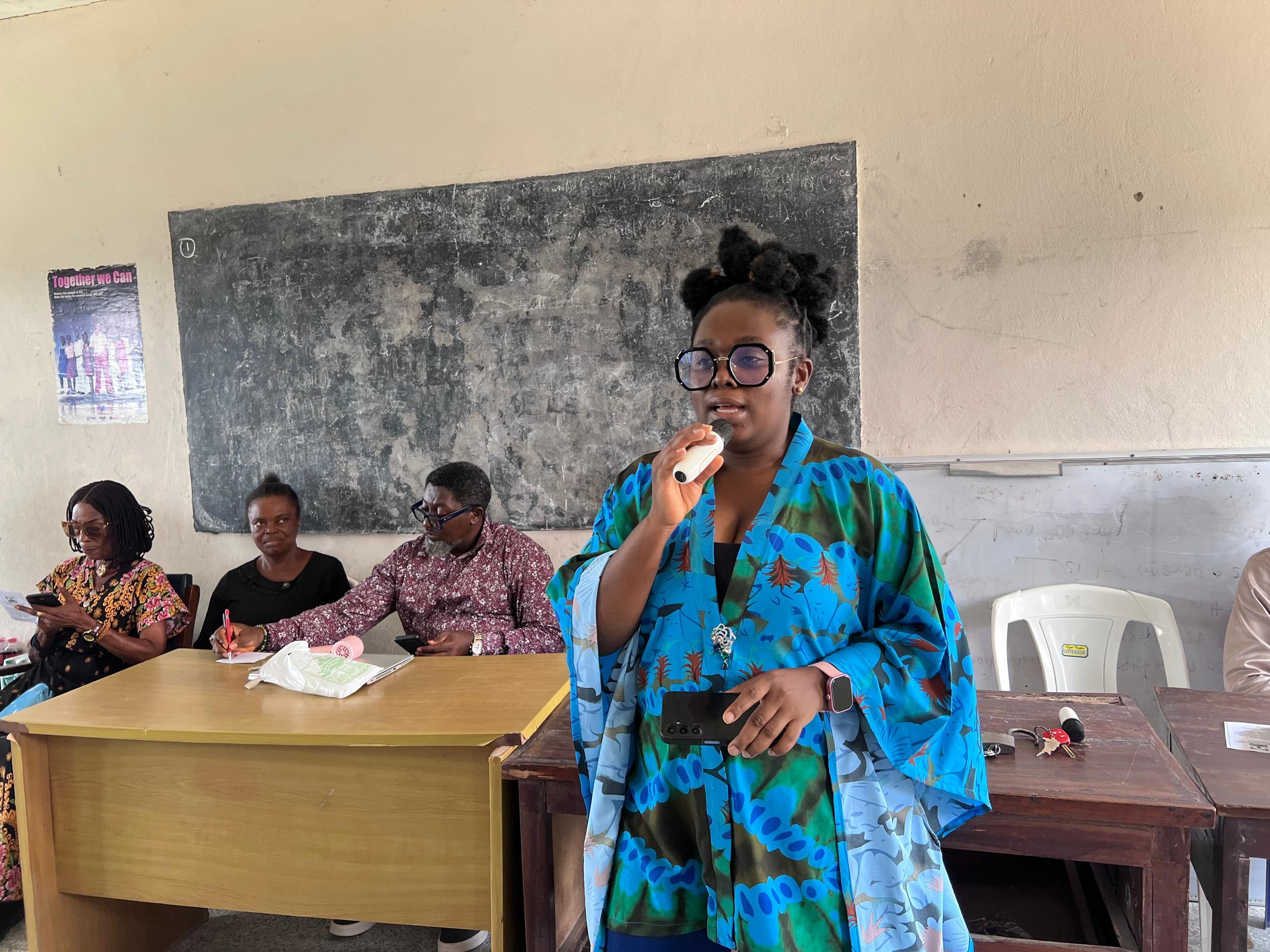
In a second presentation, the Secretary of the WASH Media Network, Mrs Abenmire Williams, addressed students on menstrual hygiene and the harmful effects of stigma associated with menstruation. She urged boys to desist from teasing or discriminating against female students, explaining that such behaviour can discourage girls from attending school and participating fully in academic activities.
Abenmire also encouraged girls to speak openly about menstrual health challenges and seek support from trusted adults, including teachers and parents.
Earlier, the school principal, Mrs Valarie Ekpenyong Henshaw, expressed appreciation to the WASH Media Network and its partners for selecting the school for the outreach, but used the opportunity to draw attention to the institution’s longstanding water challenges.
According to her, the school previously benefited from a borehole project provided by the Cross River State Rural Water Supply and Sanitation Agency (RUWATSSA), but the facility stopped functioning after about two years, leaving the school without a reliable water source for sanitation and hygiene.
The disclosure raises critical questions about the sustainability and oversight of public water projects in the state, particularly in public schools where water access is essential for safe learning environments.
Speaking during the event, the Coordinator of the WASH Media Network, Archibong Jeremiah, described the situation as unacceptable, noting that the school’s location next to the Calabar South Local Government Council makes the lack of basic water infrastructure even more concerning.
He questioned how schools in more remote communities are coping if an urban school situated within reach of government authorities continues to struggle with water access.
Mr Jeremiah stated that the outreach was designed not only to support students with hygiene materials but also to amplify the need for stronger government commitment to sustainable water and sanitation systems in schools.
“If a school located beside a local government council cannot maintain a functional water facility, then the situation in rural communities may be far worse,” he said.
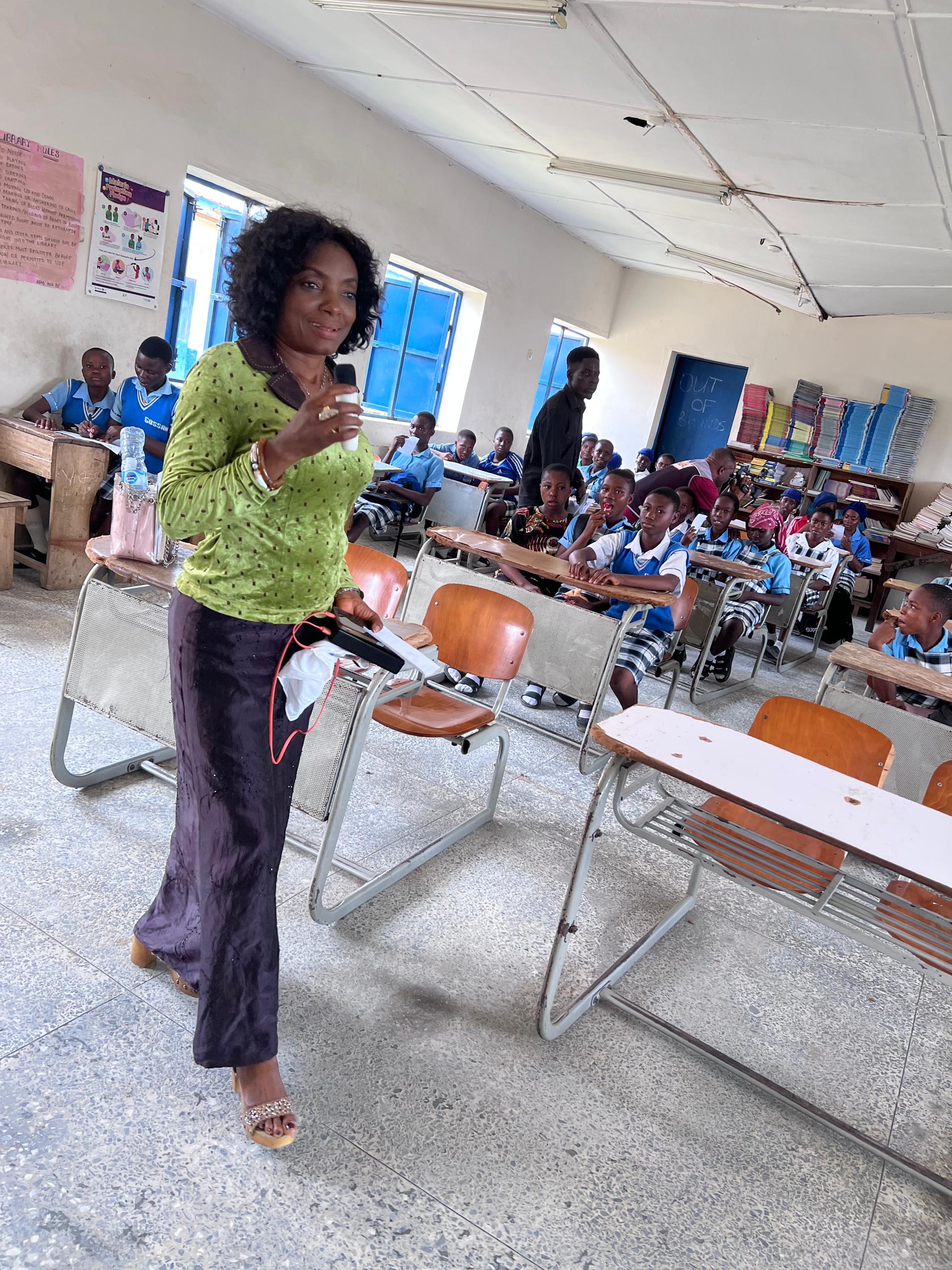
The outreach concluded with an interactive session with students and staff, validation remarks by the School Vice Principal (Administration), Mrs Felicia Archibong, and the distribution of sanitary pads to female students as part of efforts to promote menstrual hygiene and keep girls in school.
Earlier in the week, the Network organised a two-day radio town hall meeting aired on Sparkling 92.3 FM and HIT 95.9 FM in Calabar to deepen public engagement on water, sanitation, and gender-related issues.
The town hall meeting brought together key stakeholders in the water and sanitation sector to discuss the theme: “Water and Gender – Where Water Flows, Equality Grows.”
See pictures: