
But inside some healthcare facilities, the absence of a reliable water supply is creating another layer of difficulty for both patients and the health workers treating them.
By Archibong Jeremiah
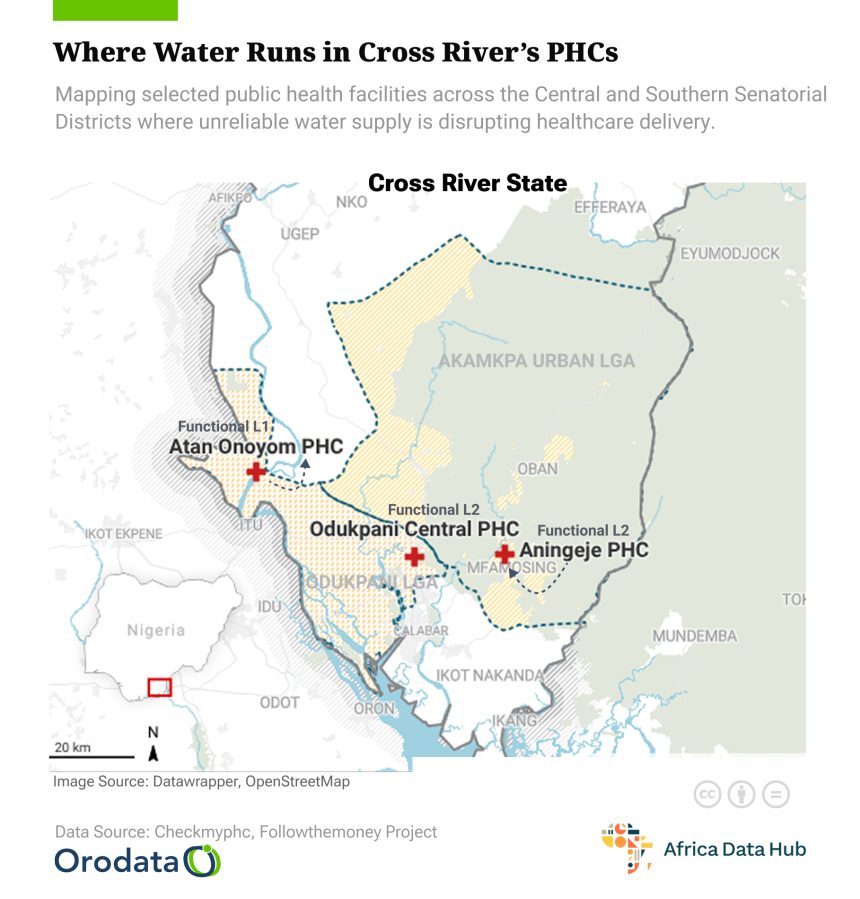
Bassey Ikor works at Atan Onoyom Primary Healthcare Centre (PHC) in Odukpani Local Government Area (LGA) of Cross River State; her biggest challenge is water, among others such as poor infrastructure, shortage of supplies, electricity, and manpower.
Her plight is shared by many PHCs in the state, especially those in rural areas; water is not taken for granted. It is something health workers have to look for, at all costs.
Before a nurse can attend to a patient, before a cleaner can wash a contaminated surface, before a mother can be assisted during childbirth or a wound can be properly dressed, there is a basic question that must sometimes be answered first: Where will the water come from?
For patients who arrive at public health facilities seeking treatment, water may seem like the least of their concerns. They come with fever, wounds, pregnancy complications, sick children or other conditions requiring immediate attention.
But inside some healthcare facilities, the absence of a reliable water supply is creating another layer of difficulty for both patients and the health workers treating them.
This investigation examines how unreliable access to water is affecting the day-to-day operation of selected public health facilities in Cross River State, and what the shortage means for hygiene, infection prevention, maternal and child healthcare and the safety of patients and healthcare workers.
At the centre of the investigation is a simple question: How can a health facility safely provide healthcare when it cannot reliably provide one of the most basic requirements for healthcare, water?
When The Tap Runs Dry
Healthcare workers depend on water for almost everything that happens inside a functioning health facility.
“They need it to wash their hands before and after attending to patients, clean labour room, wards, wash medical equipment, clean wounds, maintain toilets and dispose of waste safely. But when there is no water, many things can go wrong.” Jacob Onoyom, a retired school teacher, told TheInvestigator.
For a woman giving birth, water is part of what she needs, especially after delivery. For a child being treated for illness, it is part of the basic hygiene that should surround that treatment.
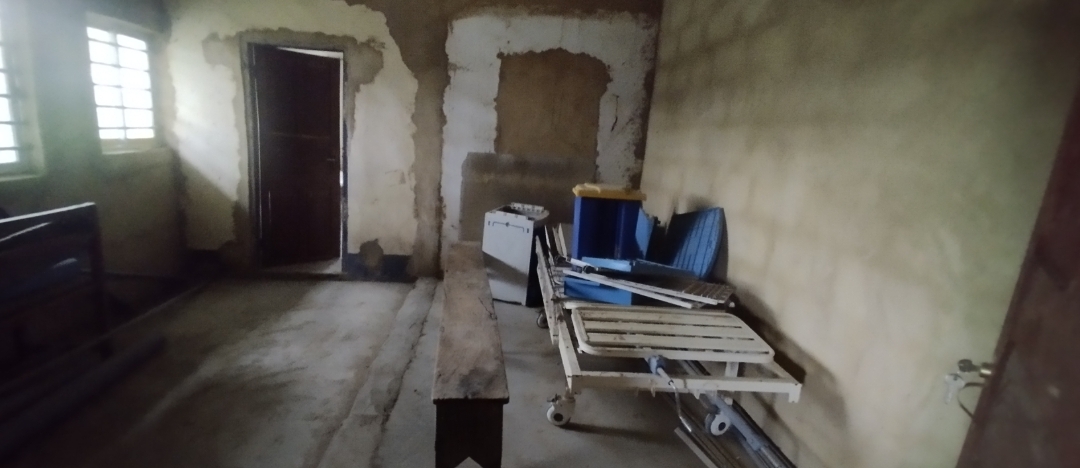
Joy Inyang recounts her experience. “I remember delivering at that health centre two years ago; if not for the rain, I wondered what we would have done because the facility had very little water. During labour, some women bleed a lot; some pass faeces, sweat and many other things will make you need water. We are close to the river here in Atan Onoyom, but we lack water, not to talk of clean water.”
Like Atan Onoyom, in Aningeje in Akamkpa LGA, the story is the same: decayed infrastructure, no fence, lack of medications, few hands, and no electricity.
Asuquo Inyang, a resident in Aningeje, described it as “poor working conditions”, saying: “When there is no water, it becomes critical for health workers to provide services because they need to wash hands before and after every patient they attend.”
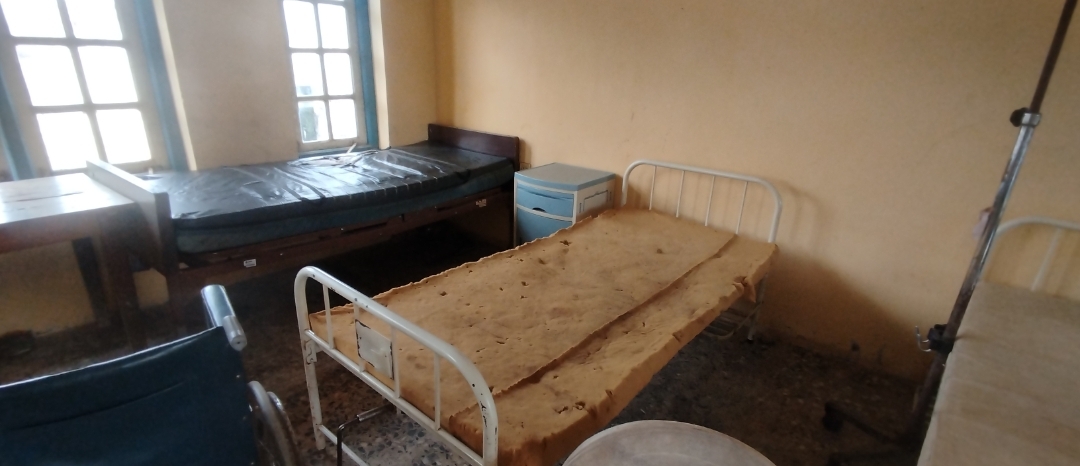
Idara Umoh, a mother of four who trades in vegetables by the market before the facility, said the situation of the PHC is worrisome because “It doesn’t look good at all and as you can see, the roof is leaking, and beds, no light and worst of all, water is a problem.”
When the supply fails, however, healthcare workers have to improvise.
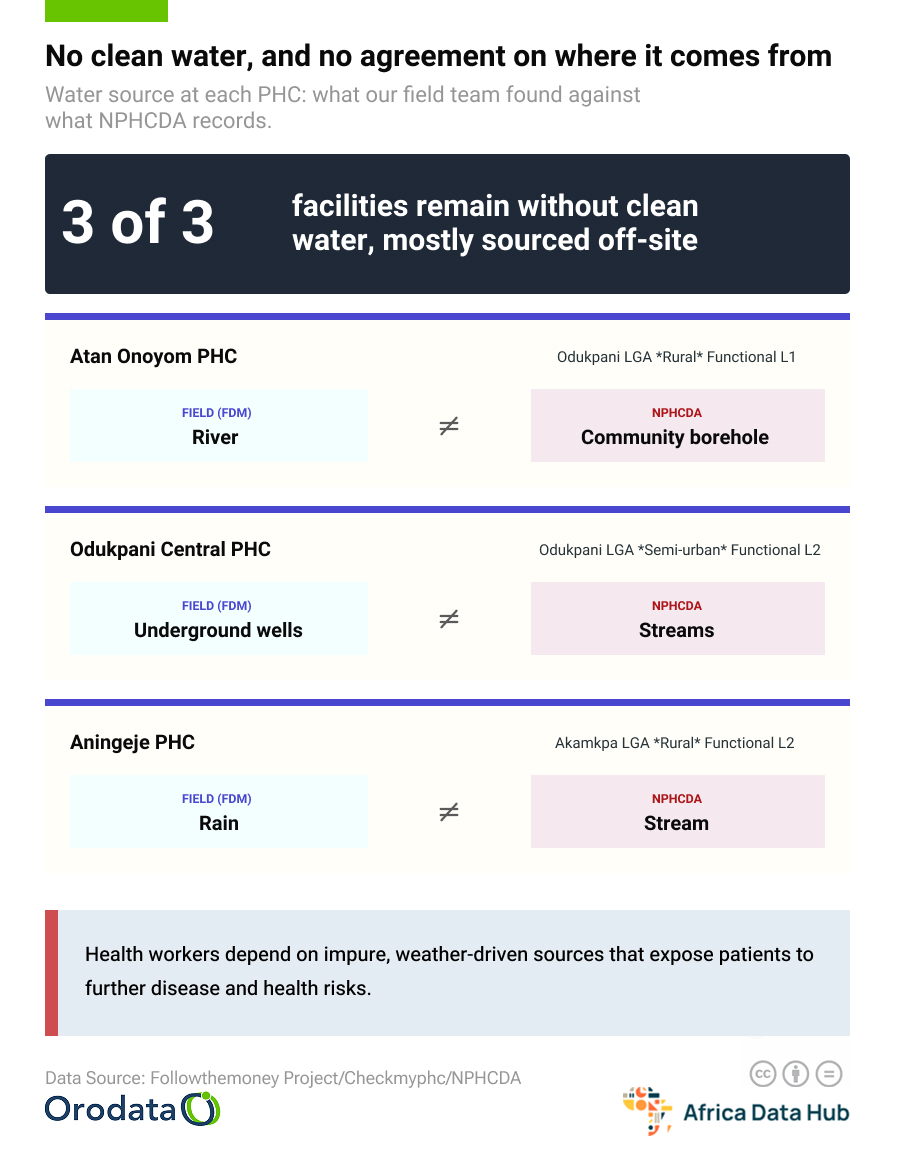
In some facilities, this may mean relying on stored water, purchasing water with scarce facility resources or asking patients and their relatives to help provide it, like the case of the PHC in Odukpani Central, where they buy from a commercial vendor for 300 naira per 20 litres.
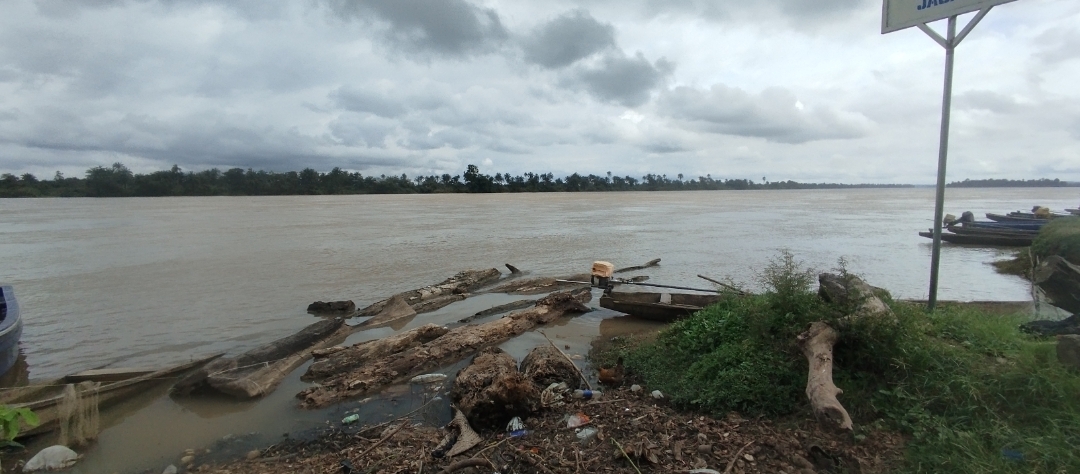
The PHC in Odukpani Central draws water from a contaminated well beside their facility, which is only available during raining session. While in Atan Onoyom, it is the contaminated river they rely on.
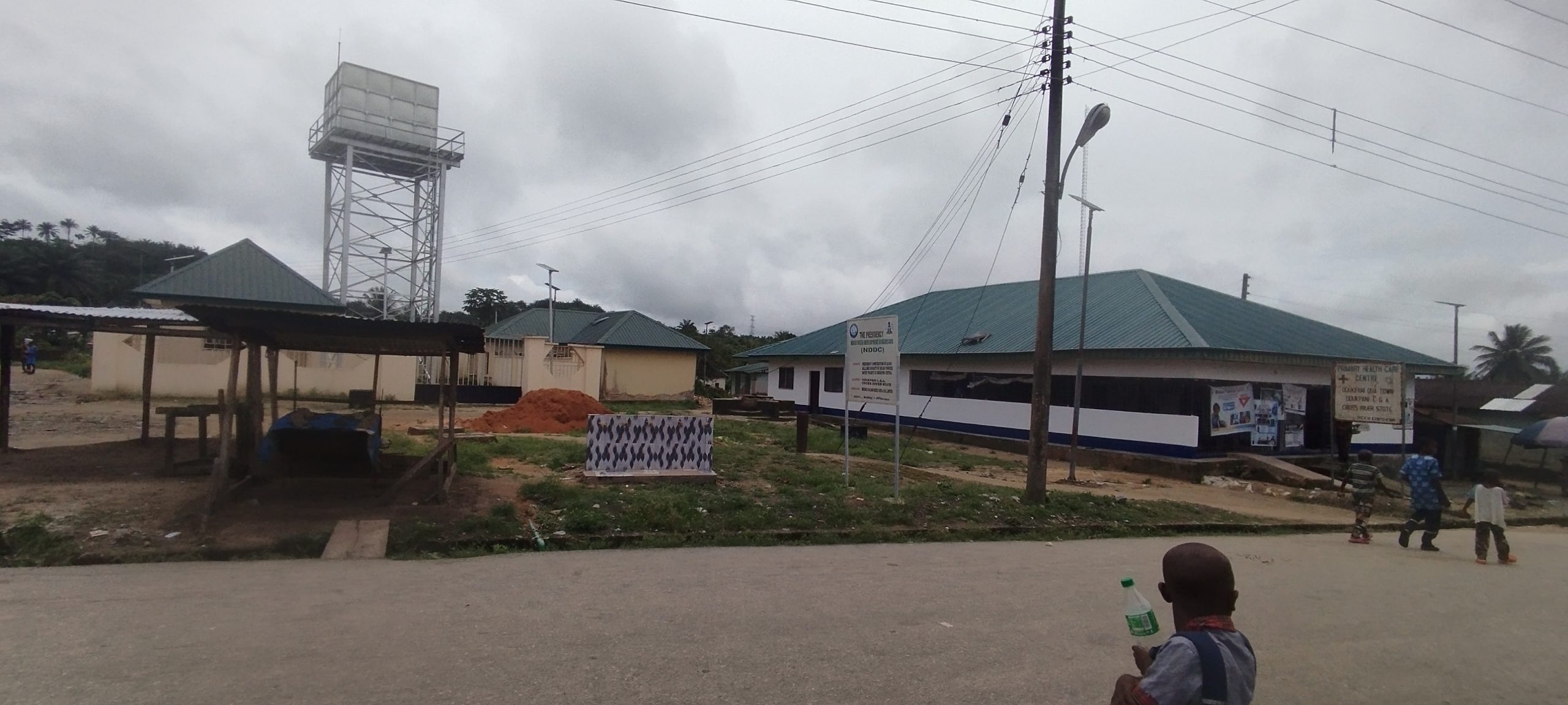
The PHC in Odukpani sits beside a new water project by Senator Asuquo Ekpenyong, Senator representing Cross River South in the red chambers, but yet to be commissioned.
The consequences can go beyond inconvenience. A health worker who has to ration water cannot operate in the same conditions as a facility with a dependable source. A patient who comes to a healthcare facility should not have to worry about whether there is enough water for basic sanitation.
Yet for over 27 PHCs in Central and Southern Senatorial Districts of Cross River visited by TheInvestigator, that question remains part of the daily reality.
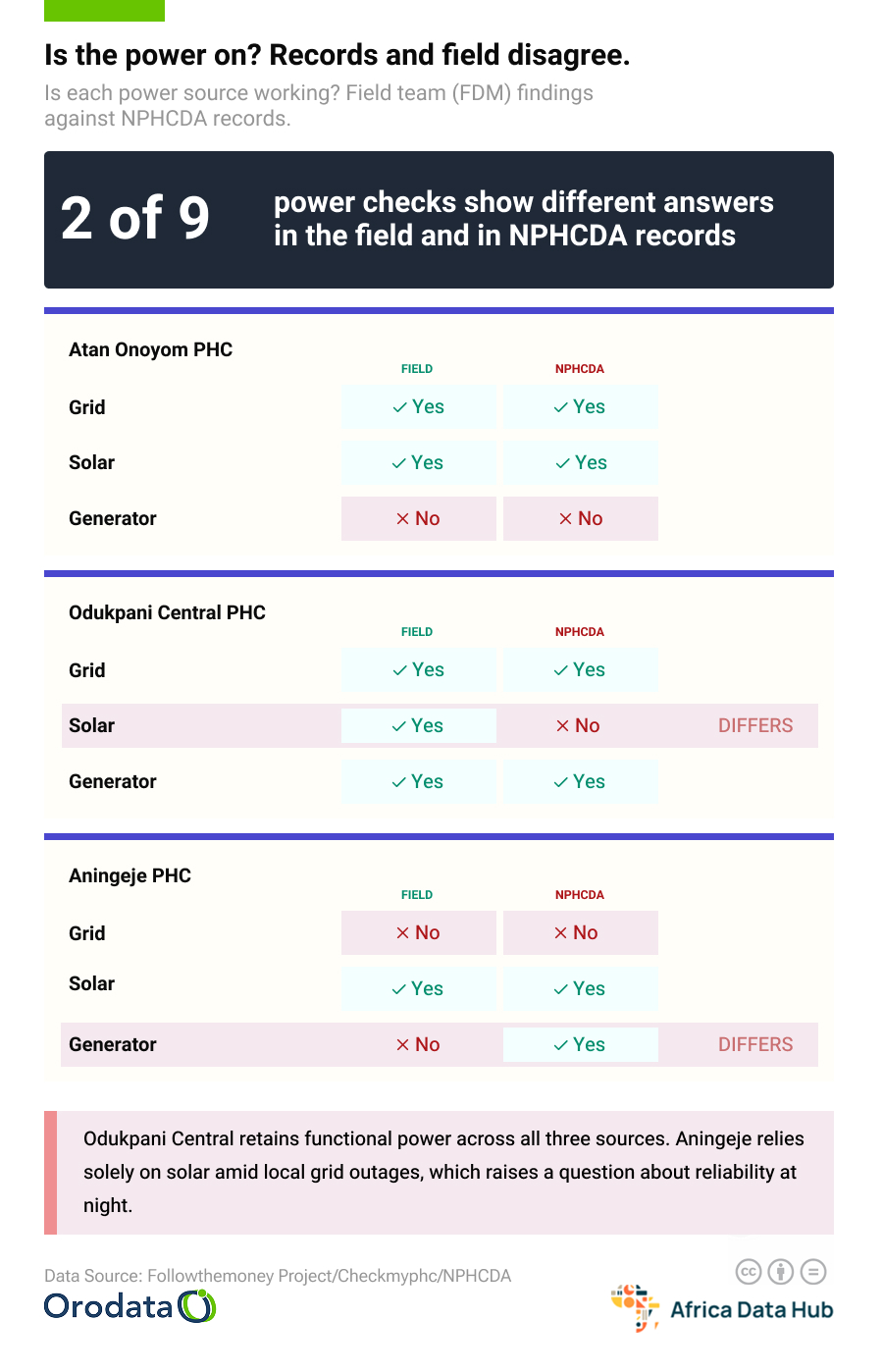
The findings by this reporter contradict recent claims by the state government that over 100 PHCs were beefed up across the state. The State Commissioner for Health, Dr Henry Egbe Ayuk, while briefing journalists in his office in Calabar in June 2026, made the disclosure.
‘Water Is Part Of Medical Care’
For Mwalimu Idowu, CEO of KaaAfrika Smart Tech Ltd, a company working in health, real estate and technology, the problem goes beyond the absence of functioning water facilities. He sees it as a failure of basic public service delivery.
“As a concerned citizen, I would tell you that it is a combination of many things that have gone wrong,” Idowu said.
He argued that access to water should not be treated as a luxury, particularly in a state where residents routinely struggle to obtain the resource.
“Number one is a government that doesn’t care about its people because if the government of Cross River really cared about people, they would know that water is a basic, fundamental need to provide,” he said, adding that “It’s a public service that the government needs to offer to the people.”
Idowu said the difficulty residents face in accessing water is visible in communities across Cross River, where people are sometimes forced to carry containers over considerable distances in search of water.
“People should not have to go through hardship just getting water and other basic amenities,” he said. “I see here in Cross River how people carry containers, travelling some hundreds of metres to go and buy water. It’s really amazing.”
He said the implications become more serious when the same problem exists inside healthcare facilities.
“Medical facilities should have water, and not only have water but clean water because it’s part of the care, medical care that they give to the person,” Idowu said.
He attributed the situation to what he described as a combination of poor governance and institutional failure.
“So it’s a combination of a government that doesn’t care about the people, a combination of incompetence,” he said.
Idowu’s statement raises a broader question for the investigation: if water is indispensable to safe healthcare, what responsibility does government bear when public health facilities cannot reliably provide it?
The Director General of the Cross River State Primary Healthcare Development Agency, Dr Vivian Mesembe, was contacted by TheInvestigator to know what the government has been doing to address water issues in health centres; she is yet to respond.
This story was produced for the Follow the Money Initiative program and supported by the Africa Data Hub and Orodata Science.