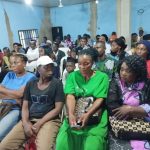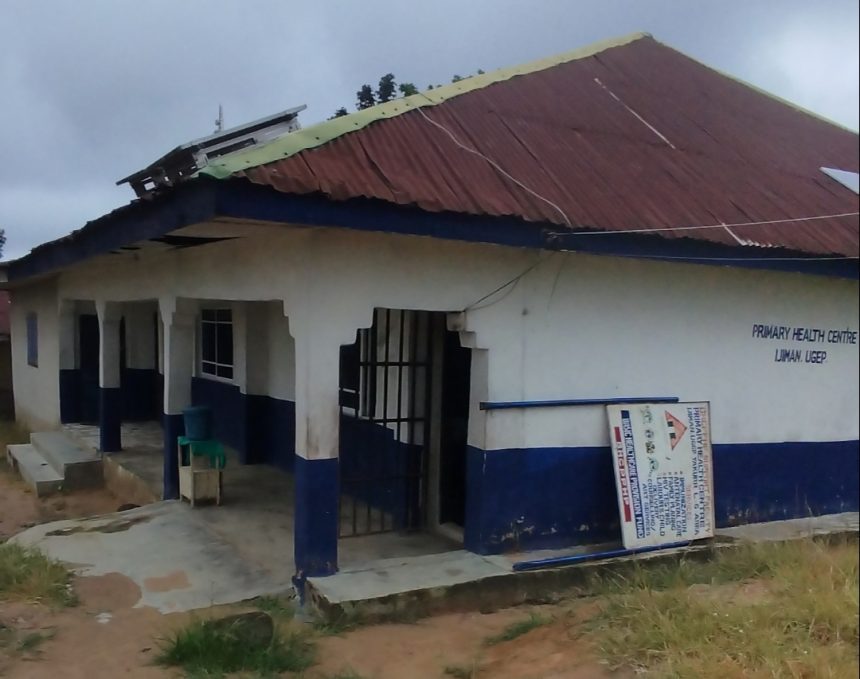
The physical environment remains constrained by the fact that the centre is operating from a classroom rather than a purpose-built healthcare facility. The facility is cramped. A single ward, labour room, lab, waiting room, rest room and store from a classroom shows the passion woven by the team.
By Archibong Jeremiah
The unfinished building sits within sight of the community it was meant to serve. Concrete walls have risen at the site of the proposed permanent Ijiman Primary Healthcare Centre, PHC, but the work has stopped. Instead of moving into the new facility as planned, health workers remain in a classroom at Community Secondary School, providing care in a space the community already knew was inadequate.
The reason is not lack of need. It is conflict. The renewed communal clash between Ugep and Idomi in Yakurr Local Government Area of Cross River State has stalled construction of the community-backed health facility and left residents dependent on a temporary arrangement that was supposed to be abandoned months ago.
The story of Ijiman PHC exposes a less visible consequence of communal violence: how insecurity can interrupt not only people’s lives and livelihoods, but also locally driven attempts to build basic public infrastructure.
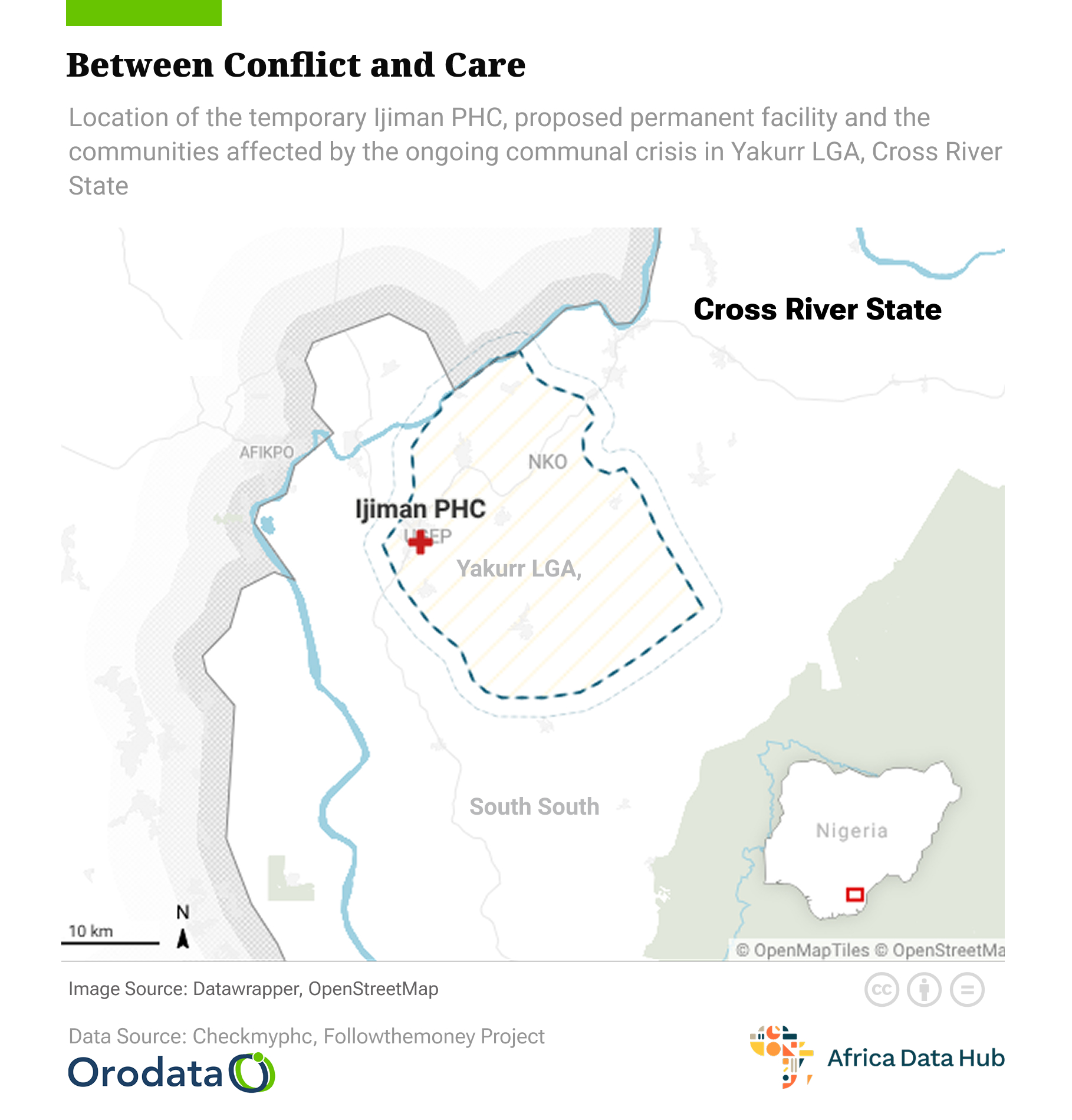
They Built Because The Existing Space Was Not Enough
Ijiman PHC did not begin with a new government project. Residents contributed resources towards improving healthcare in their community after recognising that the existing arrangement could not adequately serve them.
The health centre operates from a classroom at Community Secondary School. The temporary location brought healthcare closer to residents, but it also created limitations around space and infrastructure.
Mr Ofem Ubi, a resident of the Ugep axis, said the community had taken responsibility for addressing some of those shortcomings.
“The community has tried to ensure we get this facility; it has reduced the distance, but water became another problem,” he said.
Residents responded by digging a borehole near the proposed permanent site.
But the community eventually concluded that the classroom arrangement was not sustainable.
“When it became clear that the space in the school would not be enough, they began the construction of a better structure,” Ubi said.
Then the conflict returned.
Construction Stopped As The Conflict Intensified
According to residents and the head of the facility, the renewed Ugep-Idomi crisis on June 8, 2026 interrupted construction of the permanent structure.
The timing is crucial because the facility was expected to move into the new building this year, according to Mrs Owen Komomo Ubi, head of Ijiman PHC.
“We were promised that this year we would move into the building, but the communal clash has paused it,” she told TheInvestigator while taking this reporter around the facility.
The unfinished structure now represents an investment that cannot yet deliver the improvement it was designed to provide.
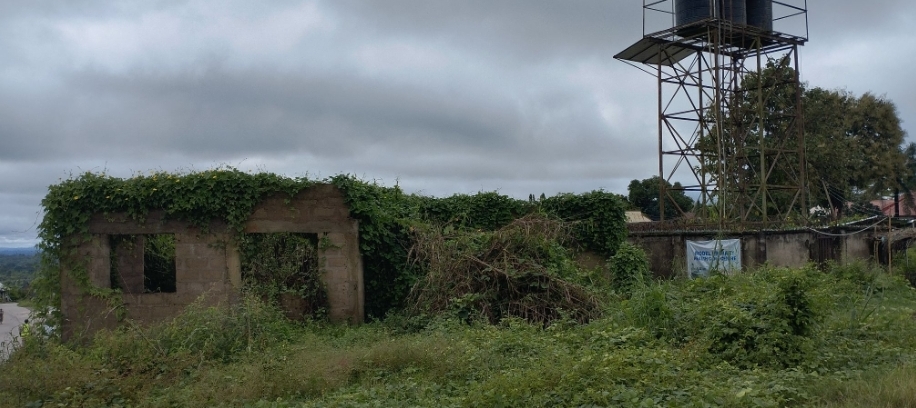
Inside The Classroom
Inside the temporary facility, workers continue to struggle with poor conditions while saving lives.
The physical environment remains constrained by the fact that the centre is operating from a classroom rather than a purpose-built healthcare facility. The facility is cramped. A single ward, labour room, lab, waiting room, rest room and store from a classroom shows the passion woven by the team.
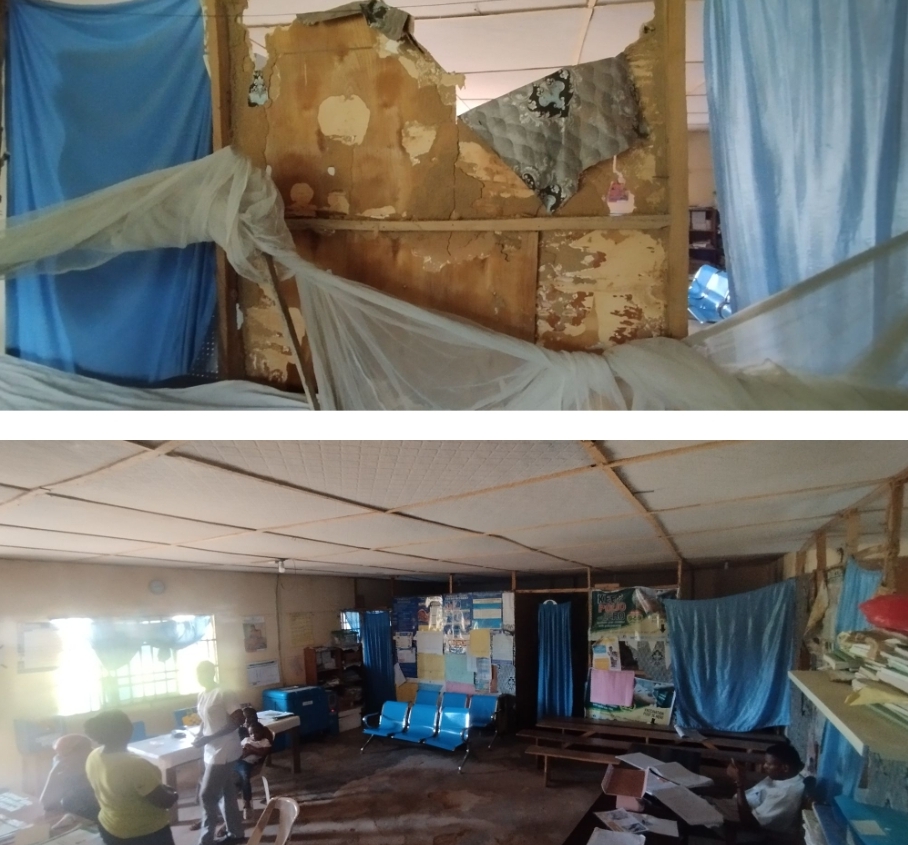
But that is not all; there is another concern: security. “We are on red alert,” a health worker who requested anonymity told TheInvestigator.
For staff, the conflict has transformed the meaning of the workplace.
The health centre is not merely a place where patients come to seek treatment. It is also a workplace located within an area affected by a longstanding communal dispute.
That creates a second burden for healthcare workers: providing essential services while remaining conscious of developments around them.
The Patients Cannot Simply Move Elsewhere
For residents, the location of the temporary centre matters.
Mrs Dorcas Ina, from the Idomi axis, said the facility has made healthcare more accessible to residents despite its limitations.
“Having the facility is a blessing, but the challenge is space,” she said.
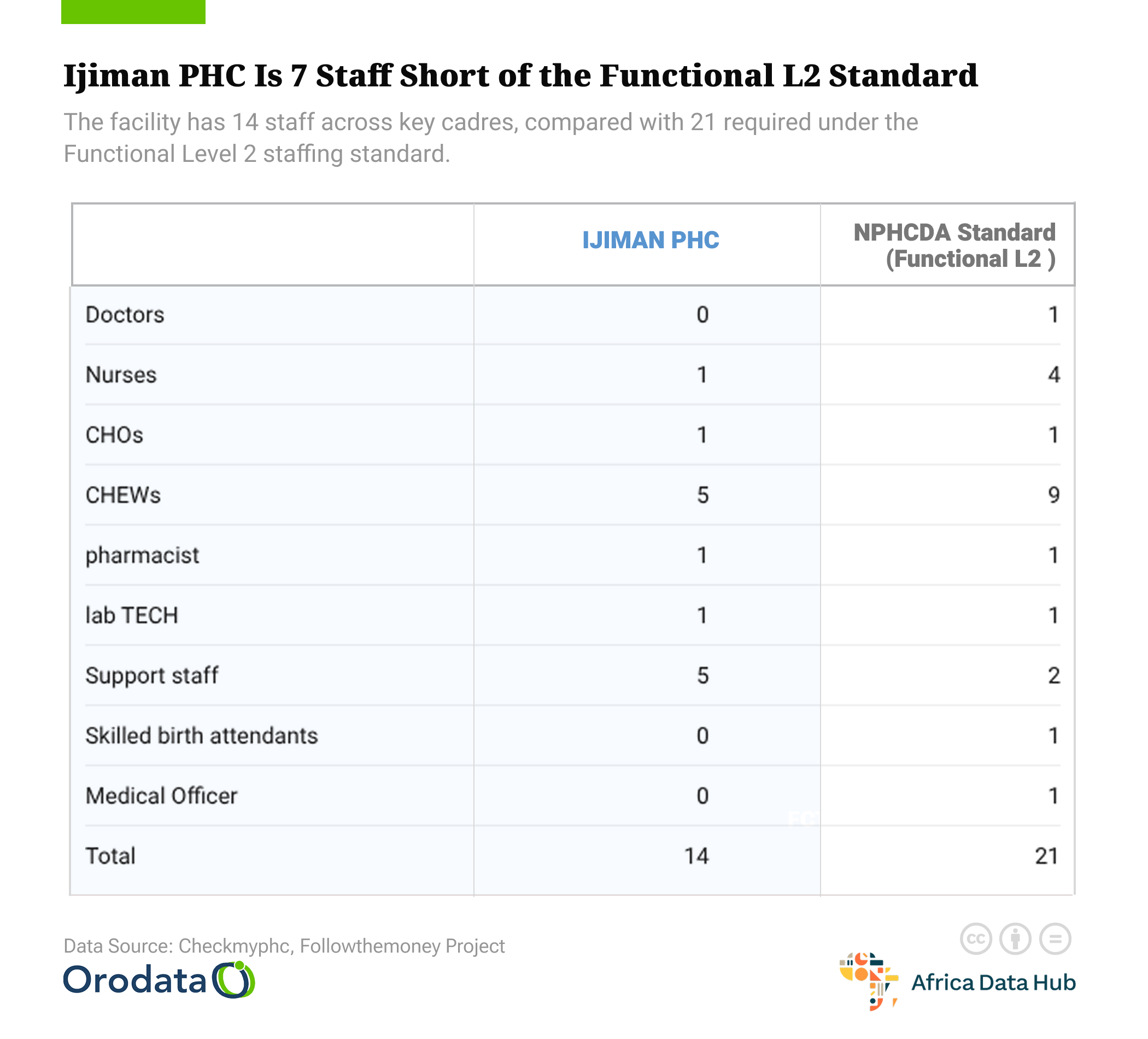
For her, the alternative of travelling farther into the community to access another health centre is not straightforward.
“From here to the health centre inside the community is not an option for me because this one is walkable distance,” she said.
Her experience illustrates a basic reality of primary healthcare: accessibility is not measured only by whether a facility exists. Distance, safety and the ability to reach the facility when care is needed all matter.
The temporary Ijiman facility has therefore acquired importance beyond the quality of its physical structure. Its location has become part of its value.
A Community Investment Now Caught Between Two Crises
The community’s contribution to the facility is particularly significant because it demonstrates that residents were not simply waiting for government to solve the problem.
They raised funds. They provided water infrastructure. They began construction.
Obeten Obeten Jnr, whose wife delivered their last two children at the facility, said residents had good reason to support it.
“The facility is trying; my wife delivered our last two children there,” he said. “See, I tell you for free the staff there are good. If not, why do you think the community will go through the stress of raising funds for a borehole and building?”
His account also provides a measure of the trust some residents have placed in the health workers despite the shortcomings of the facility.
But community effort has limits. Residents can raise funds and begin construction. They cannot, on their own, guarantee that a construction site remains safe when a communal conflict erupts.
The Ugep-Idomi conflict dates back decades, with repeated episodes of violence affecting the neighbouring communities.
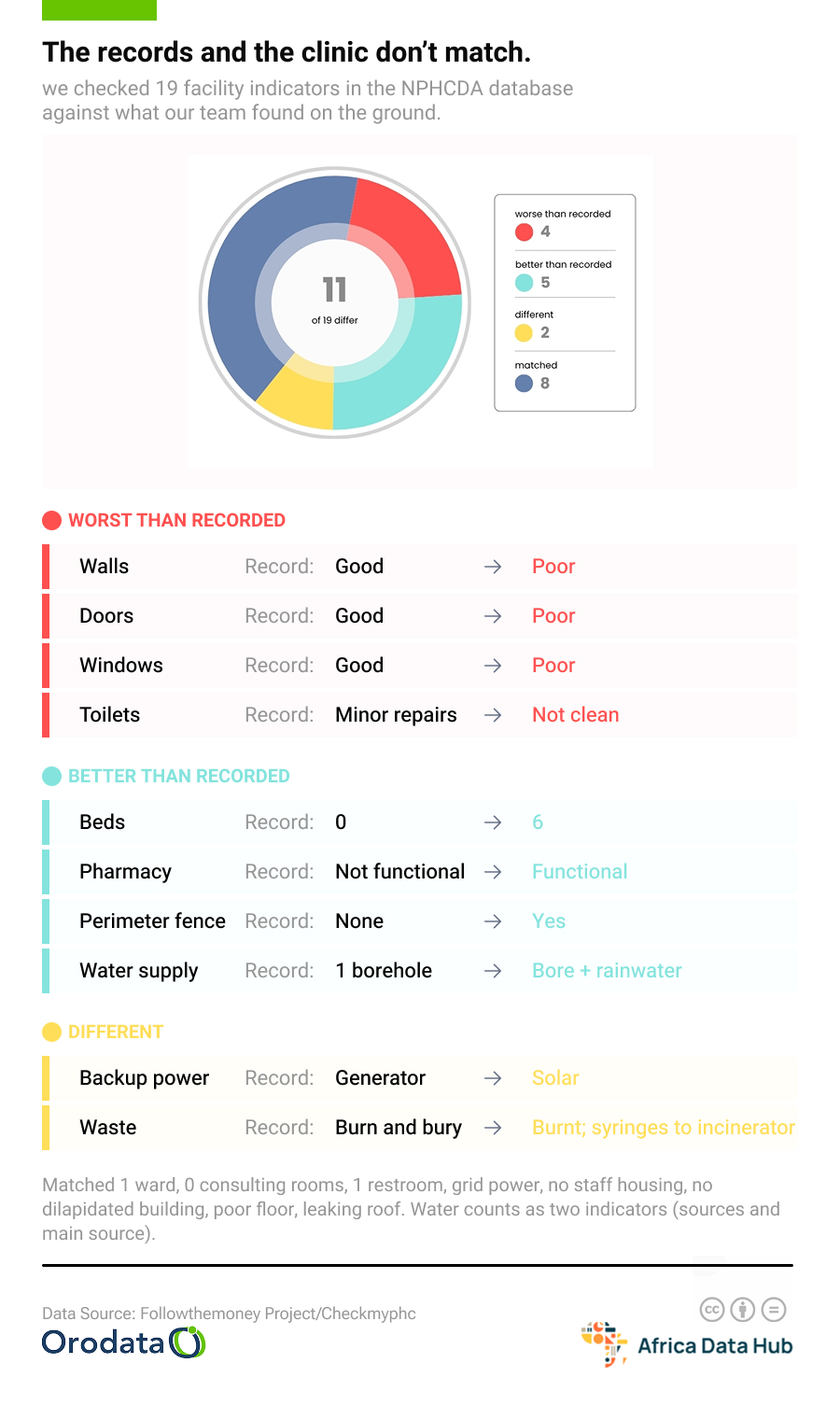
Since 1999, the dispute has been associated with deaths, displacement and disruption to social and economic activities, while government responses have included curfews, security deployments and, more recently, a judicial commission of inquiry.
The Ijiman PHC illustrates another cost.
Civil Society Experts Call For Peaceful Resolution Of Ugep Idomi Crisis
Civil society and peacebuilding experts have called for an immediate and sustained peaceful resolution of the crisis between the Ugep and Idomi communities, warning that continued violence is damaging critical infrastructure and disrupting essential services.
Dr Efio-Ita Nyok and Mr Obase Okanke Williams described the crisis as unnecessary and expressed concern over its impact on healthcare services in the affected communities.
Mr Obase said, “It’s an aberration as far as I’m concerned. And to think that the crisis will affect health facilities. I know that even in conventional words, health facilities are usually kept sacred.”
He added that “But unfortunately, for a local traditional world like this, the consciousness of those sacred places will not and does not exist as far as they are concerned. It’s an aberration again to think that a health facility will have to operate from a classroom. It’s the worst that can happen, and nobody will encourage it.”
Buttressing his point, Obase maintained that “And you see, the crisis is such that it was never supposed to be if the two communities have fully employed alternative dispute resolution. And the two Village Heads come to terms with the reality and reconcile things quickly ahead. And what can be done differently is about the fact that one of the things that is ongoing currently is that the allies from both communities are meeting, discussing, and coming up with resolutions.”
Dr Nyok said, “Unfortunately, not because there’s a conflict, but unfortunately because of the seeming inability to manage that particular conflict. It has to be stressed. Anytime there’s a social system, anytime there’s a relationship between parties, individuals to individuals, group to group, institutions to institutions and otherwise, immediately we have more than one entity.
“There’s going to be, there’s a potential for a conflict. Now, when there are conflicts, the approach to resolving the conflict, the approach to managing the conflict is what is a defining factor for us in peace practitioning and management. The Ugep Idomi crisis has been one that has seen the use of violence to manage the conflict, and that is where it becomes unacceptable.”
He went on to add that “Two parties, two brothers, can fight, can conflict with each other, but to resolve the conflict through the use of violence is not actually a management of that particular conflict. Because in the final analysis, when that conflict is to be properly managed or transformed, we will still have to use a non-kinetic approach to addressing it. So we in the civil society space, with the thematic area for peacebuilding and conflict management, will always say: if you were in the final results, in the last results, look for a peaceful means of resolving the conflict.”
“Why don’t you start the management of that particular conflict using that same peaceful resource? Why entrench the conflict using violence to come, and then manage that particular conflict using non-violence? Why don’t you start with the management of that particular conflict through a non-violent approach?” He questioned.
The Deputy Chief Press Secretary to the governor, Mr Darlington Edem, was contacted for comment on the state of things, but he has yet to respond.
This story was produced for the Follow the Money Initiative program and supported by the Africa Data Hub and Orodata Science.