“What you have done today will speak for you tomorrow,” Eyo told members of the movement, urging them to consider the Toyo campaign.
By Our Reporter
The battle for grassroots political support in Cross River State ahead of the 2027 governorship election has begun to take shape, with the campaign organisation of African Democratic Congress (ADC) candidate, Ambassador Nkoyo Toyo, opening talks with the Ultimate People’s Movement (UPM).
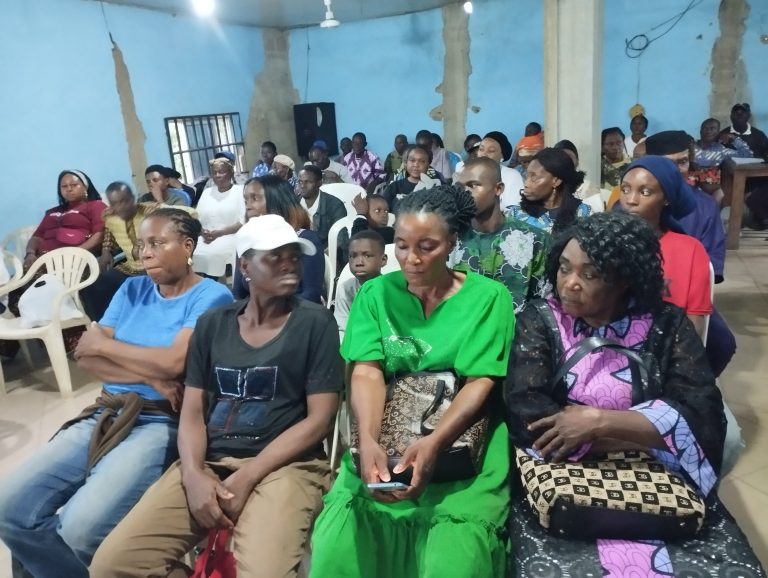
A delegation led by Mr Archibong Eyo visited the UPM in an attempt to win the backing of the grassroots political movement, which says it has structures across Cross River State and is weighing its options ahead of the election.
But the meeting quickly exposed one of the central issues likely to define the state’s 2027 political contest: whether political organisations can secure grassroots support through sustained engagement or continue with the transactional politics of election-season promises and material inducements.
Eyo, who spoke on behalf of the Toyo campaign, appealed to the movement to consider supporting the ADC candidate, acknowledging the importance of its grassroots network to any serious political campaign in the state.
“What you have done today will speak for you tomorrow,” Eyo told members of the movement, urging them to consider the Toyo campaign.
The appeal, however, was met with a clear warning from UPM that its support would not simply be handed to any candidate.
UPM Coordinator, Duke Brownson Edet, said the movement had learnt from its experiences with politicians and was now approaching the 2027 election with greater scrutiny.
Edet said politicians had repeatedly engaged communities during election periods, made promises and subsequently failed to maintain meaningful relationships with the same communities after securing political power.
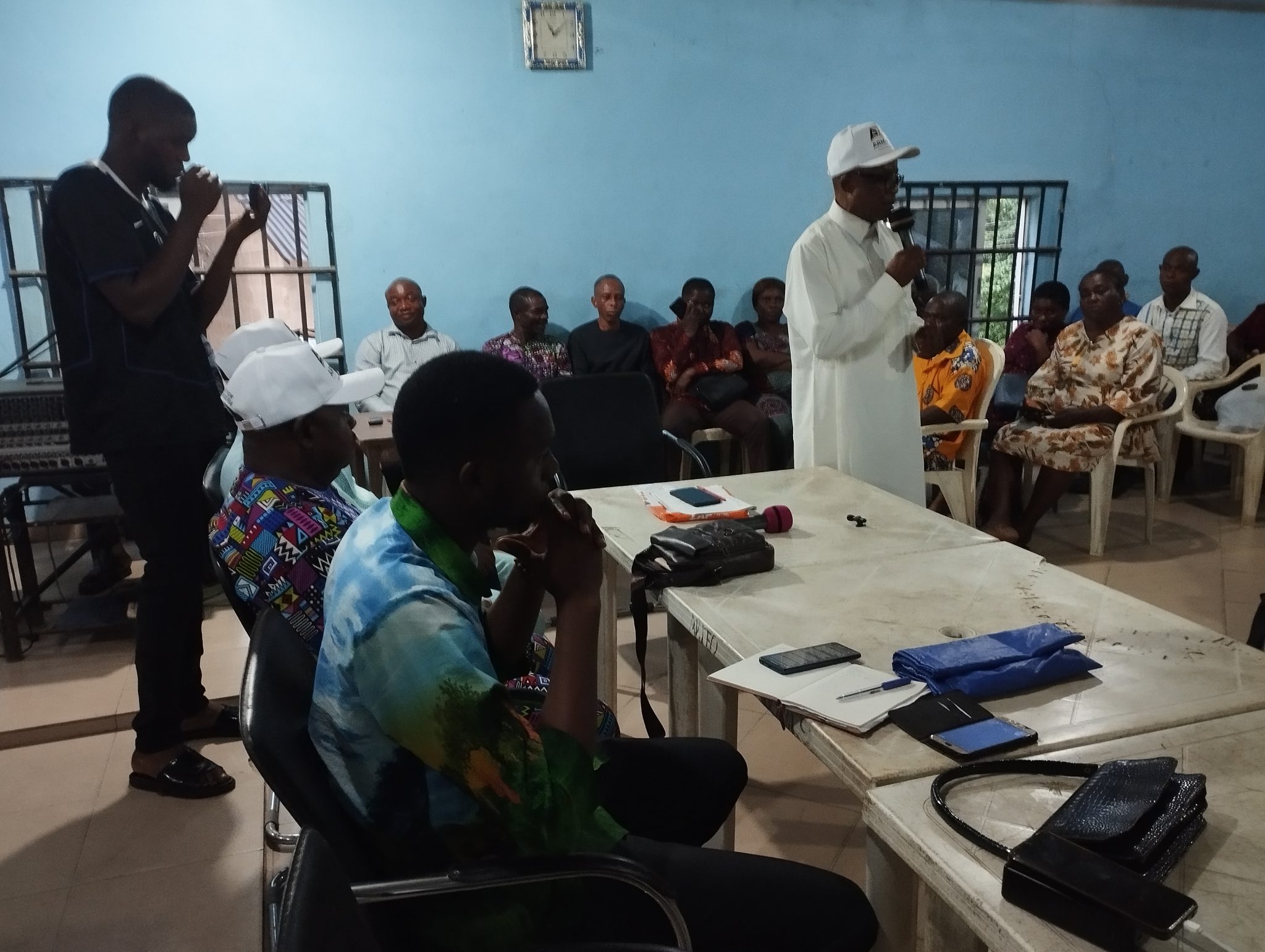
That experience, he said, had changed the way UPM would approach the next election.
“A candidate who does not see us; we will not work for such a candidate,” Edet declared.
The statement effectively places engagement, visibility and representation at the centre of UPM’s expectations from politicians seeking its support.
Edet also cited what he described as an example of the transactional approach to grassroots politics, recalling that he rejected eight bags of fertiliser and N100,000 because, in his view, such items could not substitute for sustained political engagement or genuine representation.
The message from UPM was therefore broader than a demand for campaign support. The movement wants politicians seeking its backing to demonstrate what they intend to do beyond the ballot box.
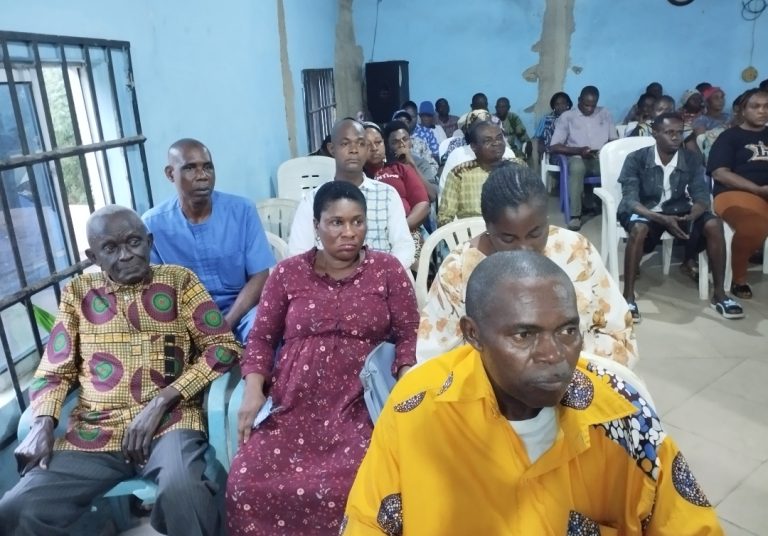
Edet said UPM would continue to assess the political landscape before deciding where its support would go as the 2027 contest gathers momentum.
The development places grassroots movements such as UPM in an increasingly important position as political camps begin to assemble alliances across the state.
For Toyo’s campaign, the engagement represents an attempt to penetrate an established grassroots network. For UPM, however, the meeting has underscored a different calculation: political support is being treated as something to be earned through engagement and representation, rather than assumed or purchased during election season.