Ultimately, this interview felt like a calculated attempt to gaslight the producers and turn public opinion against them.
The core issue that needs addressing in the Nigerian entertainment industry is a dangerous and growing trend of historical revisionism. It is the mistaken belief held by some actors that after being hired to perform a role, they somehow acquire ownership of the character they played. This sense of entitlement often leads to public campaigns of gaslighting against producers who have fully met their contractual obligations. This must stop.
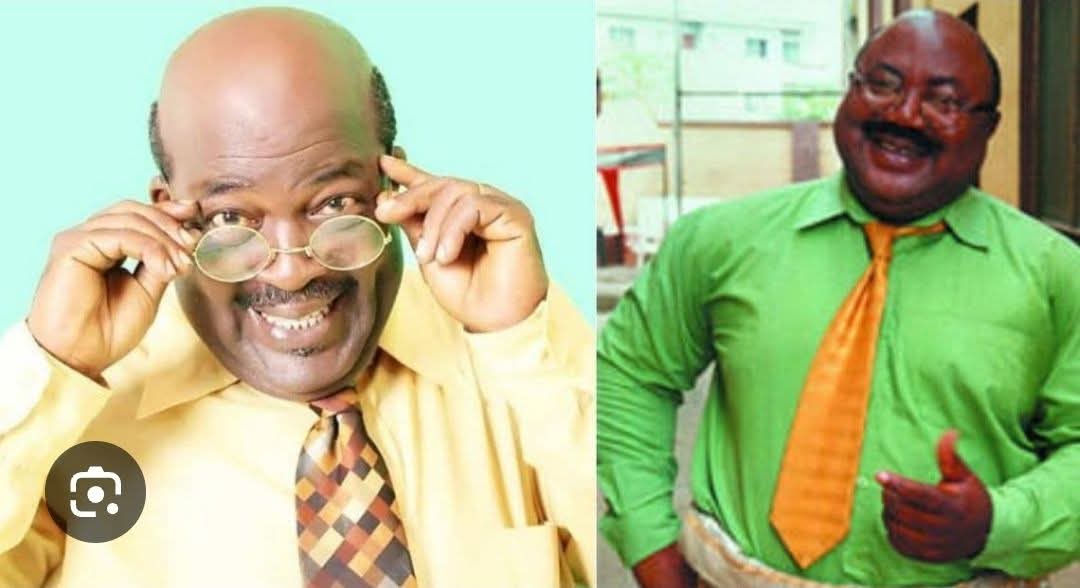
A recent interview conducted by a young man named Lucky Udu with veteran actor Abiodun Ayoyinka perfectly illustrates this problem. Ayoyinka is widely known for playing the iconic role of Papa Ajasco. For context, this character originates from the Wale Adenuga production franchise. It began as a comic book in the 1970s, created by Adenuga when he was a young University of Lagos graduate. The story was later adapted into a 16mm celluloid film in 1984, featuring theatre lecturer and veteran actor Peter Fatomilola as the original Papa Ajasco. The character was eventually brought to television screens in 1996. While Ayoyinka is the most recognised face for the role, it’s important to note that he is not the only actor to have portrayed him. The late musicologist Femi Ogunrombi also played the part from 2005 to 2006 when Ayoyinka was temporarily off the show due to contractual issues regarding the character’s rights.
The interview conducted by Idu was, to put it mildly, poorly executed. It demonstrated either a profound ignorance of how to conduct a sensitive interview or a deliberate attempt to paint the producers as insensitive and exploitative.
Now, to the crux of the matter. At no point in the interview did Ayoyinka claim he was not paid the fees agreed upon for the 10 years he played Papa Ajasco. The interviewer, however, kept emphasising the fee of N2,500 per week in 1996, portraying it as exploitative. As a TV producer myself for over 30 years, I can put this into perspective.
We say Context is King, so in 1996, the exchange rate was approximately ₦22 to $1. This means ₦2,500 was equivalent to about $114. For further context, a reliable used Toyota Starlet or similar sedan could be purchased for between ₦50,000 and ₦100,000 at that time. A weekly fee of ₦2,500 was a significant sum. Over 10 years, assuming a conservative 52 episodes a year, that amounts to a minimum of 520 episodes and a substantial, agreed-upon income. This is if he got N2500 for 10 years, but no, the fees were reviewed from N2500 to about N50,000 per week, which he acknowledged. It was also conveniently omitted that during his time on the show, Ayoyinka was not solely dependent on this acting fee. He was a civil servant employed by the Lagos State Arts Council, from which he retired with full benefits just four years ago.
To now claim, years later, that he has no car or house and was not duly compensated is being “economical with the truth” and is a disservice to the facts. I can forgive Idu’s ignorance of historical economic values, as he likely wasn’t born in 1996, but as a filmmaker and storyteller, which he claims to be, he has a responsibility to research and understand the context of the topic he is discussing.
However, this isn’t an isolated incident. In another interview, which he conducted the same day, Idu spoke with Chimuanya Aruma Ofodike, who in 2009 became the first and only winner of the ₦10 million grand prize on the Nigerian version of Who Wants to Be a Millionaire? In that interview, Idu repeatedly tried to drag the brands involved (MTN and the producers) by questioning if they still cared about Ofodike’s welfare. Ofodike himself had to correct this narrative, explaining that ₦10 million in 2009 had the spending power of over ₦200 million today, and that he had wisely invested his winnings in his steel business, which is the foundation of his current success.
I bring up this parallel example to highlight a clear pattern: the interviewer’s apparent intention is to demonise producers and brands, insinuating they have abandoned the talents they once worked with, even when all contractual obligations were met or a way to get the public to sympathise with the guest on his show and start donating funds. It’s either of the two reasons.
It’s important to reiterate that you don’t own a character simply because you played the character. The interview also touched on another point of ignorance: the claim that producers have refused Ayoyinka permission to use the “Papa Ajasco” brand. This reveals a fundamental misunderstanding of intellectual property law. The character PAPA AJASCO was created by Chief Wale Adenuga MFR. As the creator, he holds the patent, trademark, and copyright to that character. An actor is hired to perform a character, not to own it.
If an actor has a genuine, respectful project that requires the character, the proper procedure is to seek permission from the producers and rights holders. An agreement would then be negotiated. This is the professional standard. In fact, unconfirmed sources suggest that Ayoyinka’s suspension in 2006 was precisely because he and others used the characters for unauthorised projects.
This sense of entitlement is akin to an actor who played James Bond or Spider-Man believing they can now use that character’s likeness for their own personal endorsements. It is illogical and legally untenable. This incident sadly reflects the poor understanding of legal and professional norms held by many so-called social media influencers.
Ultimately, this interview felt like a calculated attempt to gaslight the producers and turn public opinion against them.
I must conclude by addressing a deeply troubling trend: actors and entertainers who, after years of work and presumably meeting their contractual obligations, go on public platforms to blame their producers for their current life circumstances. This public self-pity is not a solution. I recall watching a Yoruba female gospel musician complain about her dire condition, claiming she was homeless, yet in the same interview, she mentioned she was staying in a hotel costing her ₦60,000 a day. The math and the logic simply do not add up. Not forgetting another actress who cried out that she was homeless, and the public contributed money and bought a house for her.
In Ayoyinka’s case, Lagos State is one of the few states that diligently pays pensions and gratuities. He retired from the civil service and received his pension. This crucial fact was omitted from the sob story.
As practitioners in Nollywood and the wider entertainment industry, we must realise we are not the only Nigerians who have served the country through our craft. This constant parade of half-baked stories of pity to the public is untenable. We must individually and collectively plan for our future.
My final thought is for the younger generation, including Lucky Udu himself. I recall seeing a video a few months ago of Udu crying, soliciting help to feed, and claiming he was homeless. My question, which remains unanswered, was: “Is he not making money from his online activities?” This culture of social media begging must stop. When genuine people eventually need help, they may find the well of public sympathy has run dry. We must all strive to do better.
Fidelis Duker is a Filmmaker and Media Practitioner who writes from Abuja.
NB: Opinions expressed in this article are strictly attributable to the author, Fidelis Duker, and do not represent the opinion of TheInvestigator or any other organisation the author works for/with.