A major focus is the teaching workforce. The plan proposes reducing the core-subject teacher-to-student ratio from 1:253 to 1:32, alongside improved teacher training, better remuneration, job security and clearer career progression.
By TheInvestigator
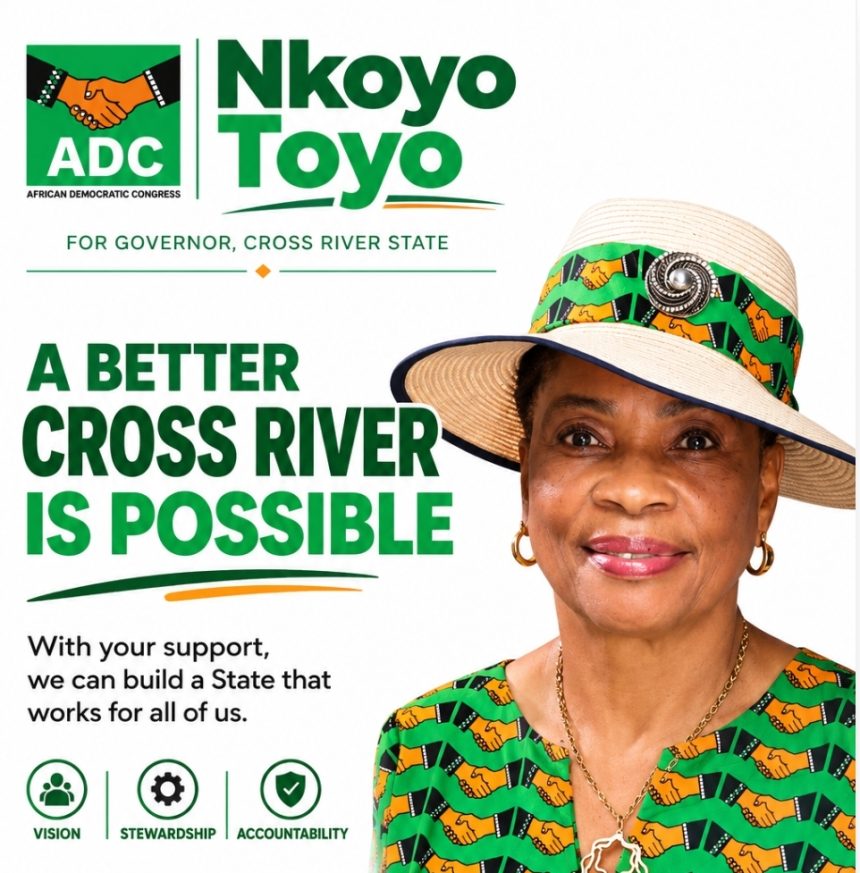
Ambassador Nkoyo Toyo has placed teachers at the centre of her proposed education reform agenda for Cross River State, promising a major investment in schools, educators and skills development as part of a long-term plan to transform the state’s economy.
The plan comes against the backdrop of Cross River’s Growth and Development Strategy (GDS 2018-2048), which aims to make the state Nigeria’s leading destination for education by 2045.
According to the GDS, the state had, as of 2018, 1,071 public and 601 private primary schools, 272 public and 408 private secondary schools, 30 technical colleges, three tertiary institutions and 234 literacy centres.
However, many of the institutions are reportedly operating below capacity, while the state continues to face challenges including inadequate teachers and children being out of school.
Toyo’s education plan made known in a statement by her spokesman, Archibong Eyo proposes reducing the out-of-school rate, currently put at 15.1 per cent, to near zero by ensuring that every child has access to quality education.
A major focus is the teaching workforce. The plan proposes reducing the core-subject teacher-to-student ratio from 1:253 to 1:32, alongside improved teacher training, better remuneration, job security and clearer career progression.
It also proposes renovating and constructing schools, modernising educational facilities and introducing programmes that prepare students for a technology-driven economy.
Staff development, training and retraining would form a key part of the proposed reforms, with communities, religious organisations, the private sector and other stakeholders expected to play a role.
The plan argues that investing in teachers and education will not only improve learning outcomes but also create jobs and build the human capital needed to drive Cross River’s economic transformation over the next two decades.