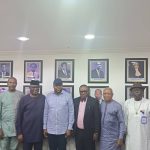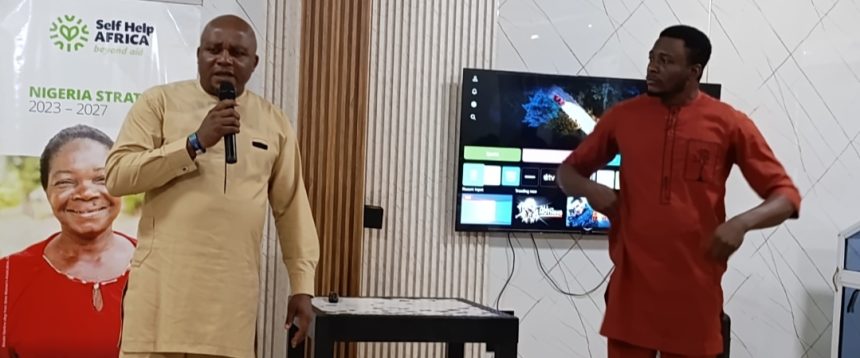
The Commissioner praised the evidence of institutional strengthening, particularly SHA’s role in sponsoring the enactment of strategic policies. He noted that these structural reforms have positioned Cross River State to effectively eliminate water and sanitation challenges, leaving the state “with no excuse” but to achieve total coverage.
By WASH Media Network
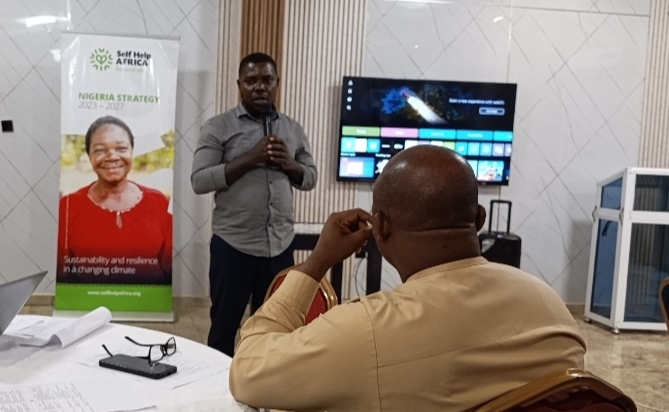
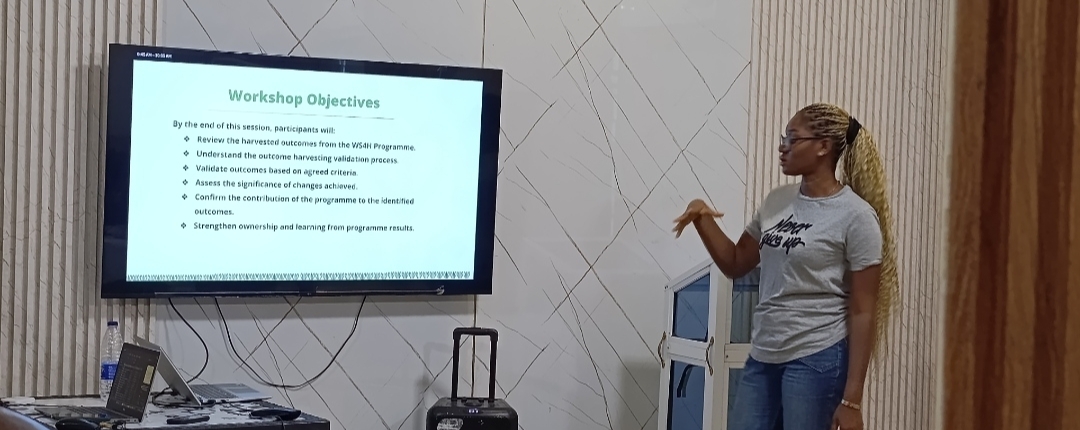
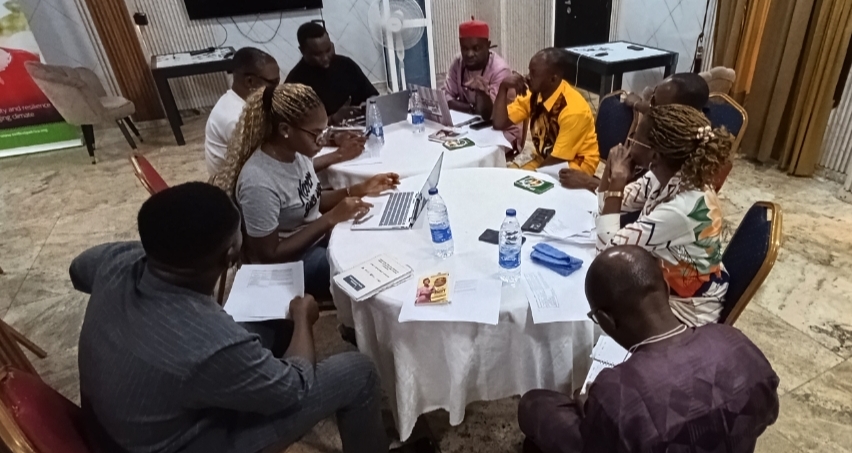
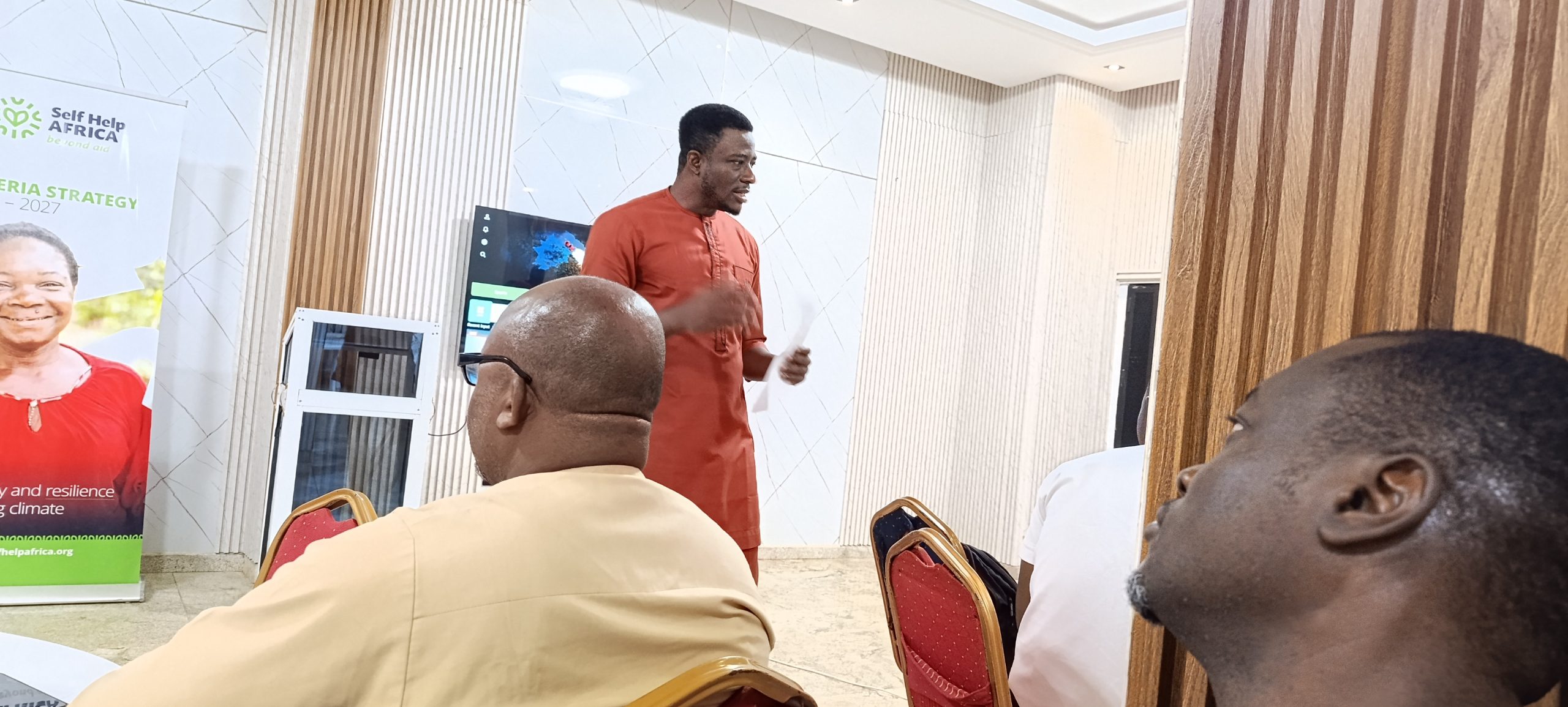
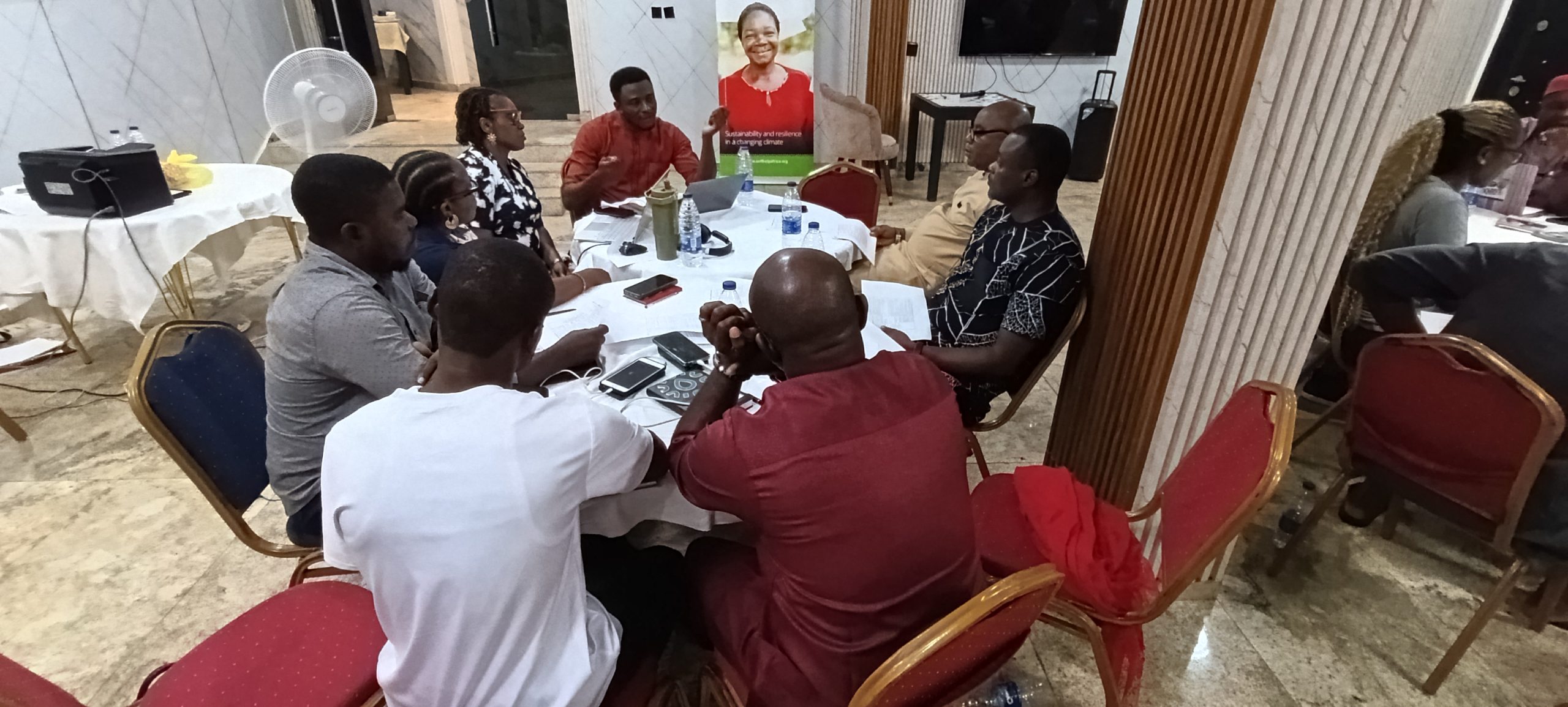
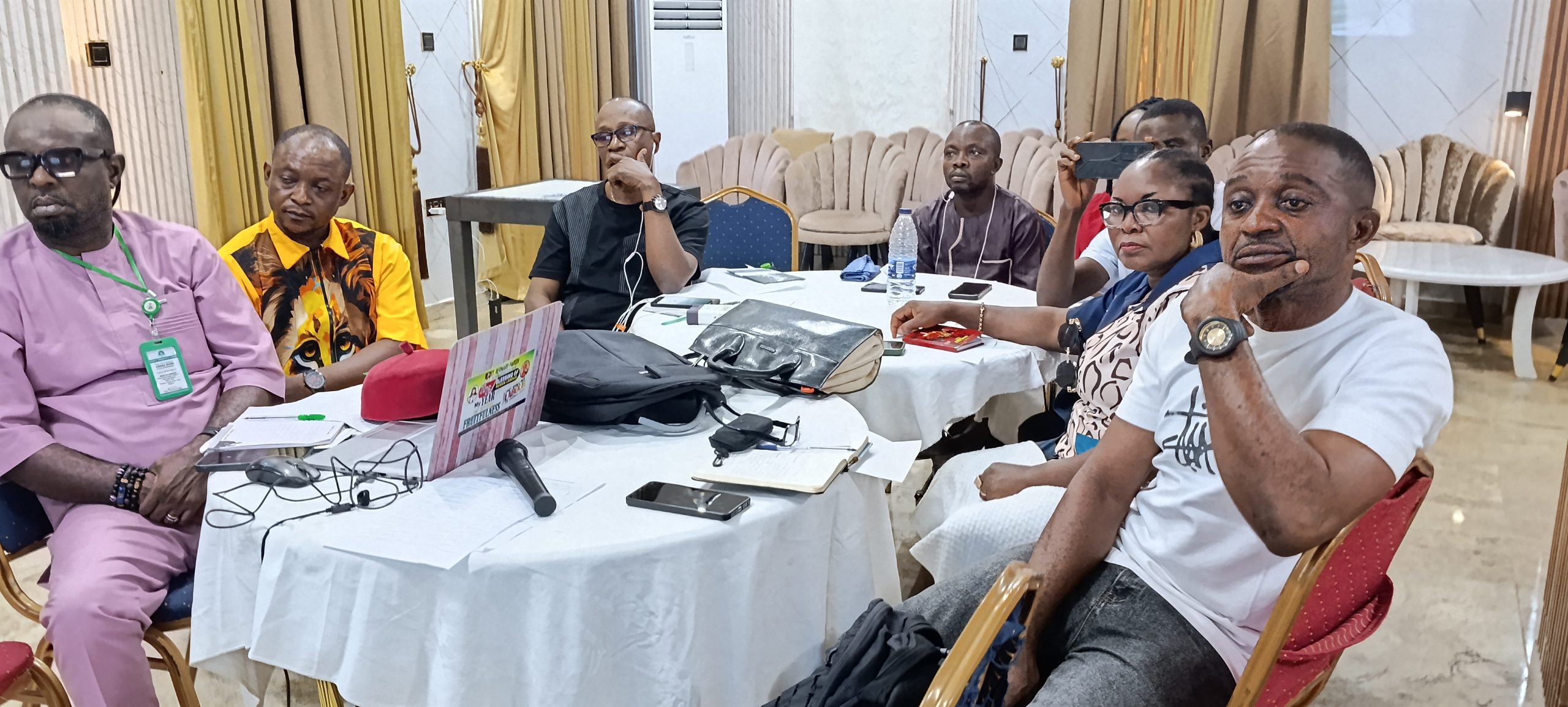
Stakeholders in the Water, Sanitation, and Hygiene (WASH) sector gathered at Landmark Hotel in Ogoja for a critical outcome harvesting and validation workshop. The event marked a significant milestone in the state’s journey toward robust water governance and infrastructural and institutional sustainability.
The workshop was designed to evaluate and validate key achievements of the WASH System for Health (WS4H) project, implemented by Self Help Africa (SHA) in Cross River State. The exercise brought together technical officials from ministries, departments, and agencies, as well as academics and local government representatives, to review evidence-based progress and chart a sustainable way forward.
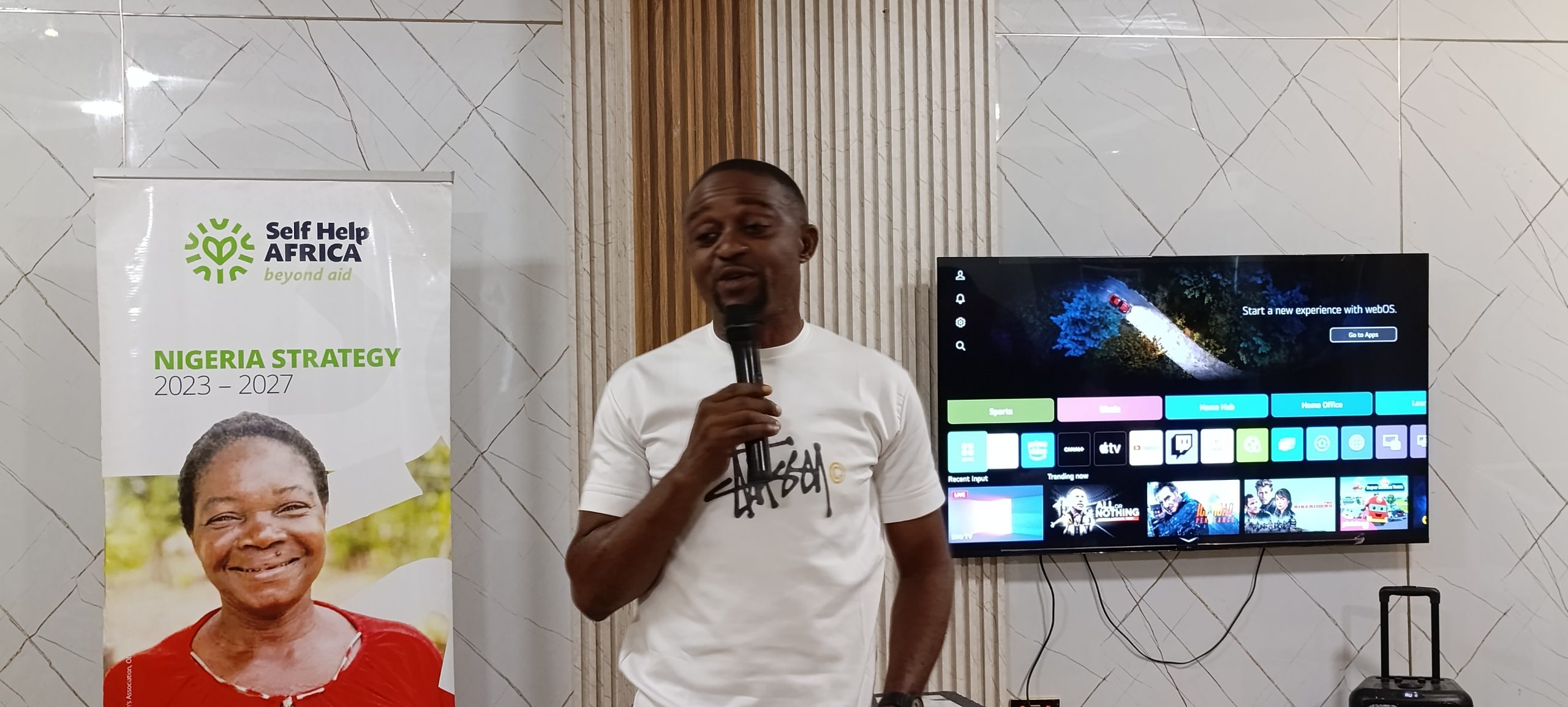
Opening the session, the State Coordinator for Self Help Africa, Mr Ferdinand Anok, took participants down memory lane, reflecting on the project’s inception over a decade ago.
“In 2014, we started this conversation with a visioning workshop to x-ray the state of the WASH system in Cross River State,” Mr Anok said. “At that time, we all agreed that the challenges within the sector were deeply systemic. The assessments we conducted became the baseline for our subsequent interventions, allowing us to work strictly on the basis of evidence,” he added.
Highlighting the shared ownership of the project’s milestones, Mr Anok emphasised that local sustainability has always been the ultimate goal. “While Self Help Africa may be responsible for facilitating these interventions, the state government completely owns this programme. The state has driven these initiatives from inception, while we provided the necessary technical and intermittent financial support.” Anok maintained.
In his remarks, the Commissioner of the Ministry of Water Resources, Barr Bassey Mensah, represented by the Head of the WASH Regulatory Department, Mr Felix Irek, commended the measurable impact of the WS4H project on the state’s governance framework.
“For us in the Ministry of Water Resources, as the lead WASH sector agency, we feel privileged to have had the WS4H project implemented by Self Help Africa,” he added, emphasising that “Over the years, we have seen various interventions, but the tangible impact delivered by SHA has been truly exceptional.”
The Commissioner praised the evidence of institutional strengthening, particularly SHA’s role in sponsoring the enactment of strategic policies. He noted that these structural reforms have positioned Cross River State to effectively eliminate water and sanitation challenges, leaving the state “with no excuse” but to achieve total coverage.
Echoing this sentiment, the General Manager of the Rural Water Supply and Sanitation Agency (RUWATTSA), Hon Sunday Oko, represented by the Programmes Manager, Mr Ebit Bassey, pointed out that SHA’s interventions have radically transformed the sector’s visibility.
“No one talked about WASH during the previous administration, but today, WASH is on everyone’s lips across the state, courtesy of Self Help Africa,” Hon Oko stated. He further revealed that Cross River State had previously missed out on crucial national and global funding opportunities due to a lack of formal policy documents, a gap that has now been successfully bridged through SHA’s policy-driven support.
The practical impact of these institutional reforms was vividly captured by the WASH Coordinator for Yala Local Government Area, Pastor Williams Arikpo, who shared his council’s transformative journey.
“When Self Help Africa initially came to Yala and introduced these comprehensive policies, we were honestly scared and sceptical,” Pastor Williamsconfessed. “We kept asking ourselves how these frameworks would work. But today, our capacities have been built, our local institutions have been developed, and Yala is fully ready to drive this process independently.”
He reported that previously dormant water points across Yala are now fully functional, attributing the success to the capacity‑building frameworks established under the WS4H scheme. He concluded with a strong appeal for successive administrations to sustain and build upon these hard‑earned gains.
See pictures: