

The group also expressed concern over the increasing anticipatory grab of mangrove forests by foreign interests, especially from China …
By TheInvestigator
On World Environment Day, the civil society organisation We the People has issued a strong call to action, urging the Cross River State Government to implement robust policies and frameworks to protect the state’s rapidly disappearing rainforests and mangrove ecosystems.
In a press statement released on Thursday, the group highlighted the alarming rate of deforestation in Cross River State, warning that, if urgent measures are not taken, the state could lose all its forests within the next 5 to 10 years. Cross River is home to Nigeria’s largest remaining natural rainforests, many of which have been traditionally protected by indigenous communities.
However, the statement points to significant policy missteps by the government, particularly the implementation of the REDD+ (Reducing Emissions from Deforestation and Forest Degradation) program in 2008, as a major turning point. This initiative led to the reversal of community land rights, increased poverty, and a surge in illegal logging.
“Logging activities became uncontrollable starting in 2010, resulting in the loss of over 40% of the state’s forests during the ban,” said Ken Henshaw, Executive Director of We the People. “Today, despite lifting the forest ban and introducing new forest management practices, illegal logging continues at an alarming rate, often facilitated by government officials and agents of the Forestry Commission.”
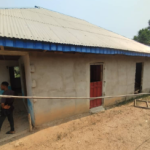
The group also expressed concern over the increasing anticipatory grab of mangrove forests by foreign interests, especially from China, who aim to profit from carbon credit schemes, often without the knowledge or consent of local communities. They warned that these transactions threaten to strip communities of their environmental and economic rights.
In addition to deforestation, We the People highlighted illegal mining activities, particularly for lithium, occurring within the Cross River National Park. The group reported escalating conflicts, environmental degradation, and disruption to community life due to these activities, primarily driven by foreign actors.