

ADC candidate challenges politics driven by wealthy sponsors, unveils citizens-funded campaign and promises a shift from poverty management to productivity, accountability and grassroots development.
By TheInvestigator
Ambassador Nkoyo Toyo has opened a fresh political front in the battle for Cross River Government House, challenging a political financing culture she believes allows wealthy individuals and godfathers to exert undue influence over elected governments.
The African Democratic Congress (ADC) governorship candidate has made citizens’ participation, economic transformation and accountable leadership the central propositions of her 2027 campaign, arguing that Cross River needs more than another cycle of political promises.
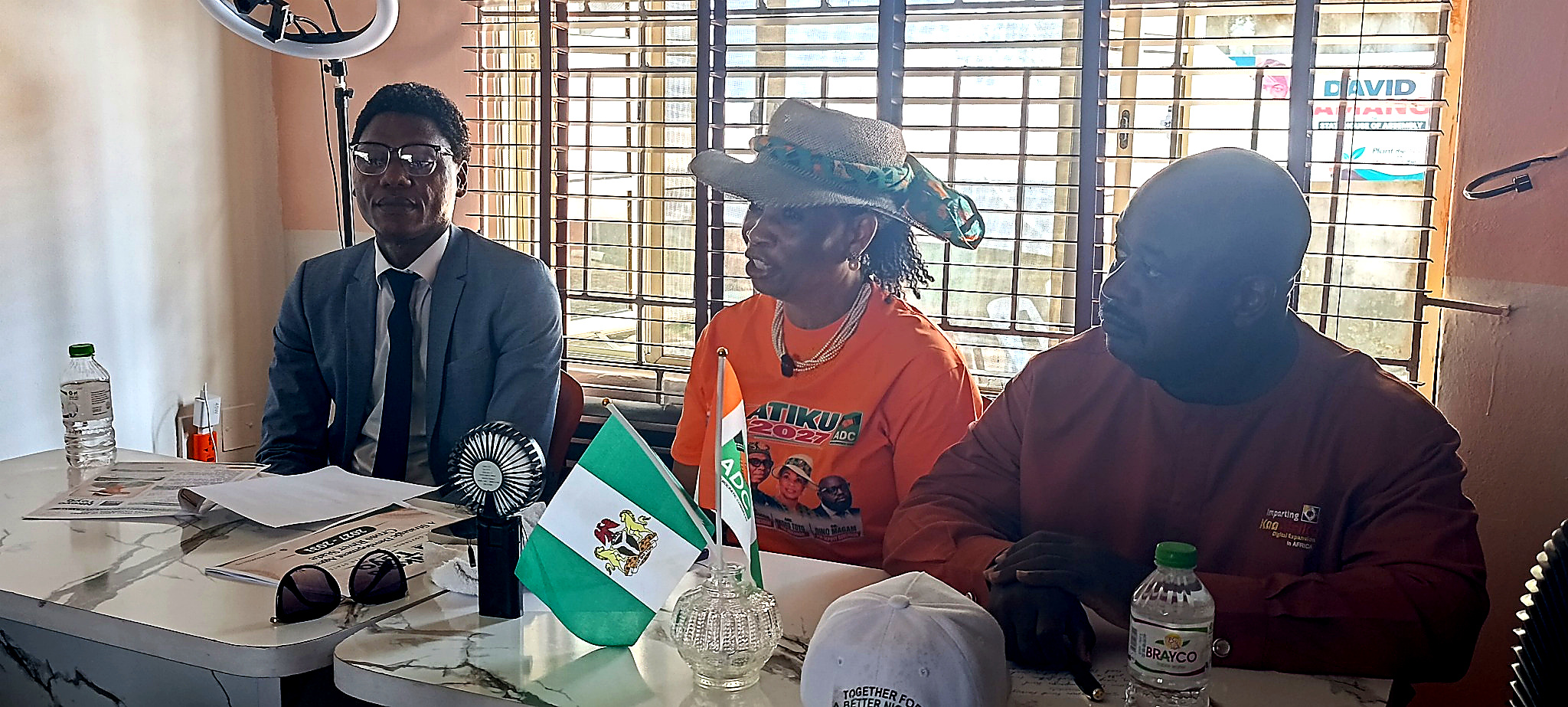
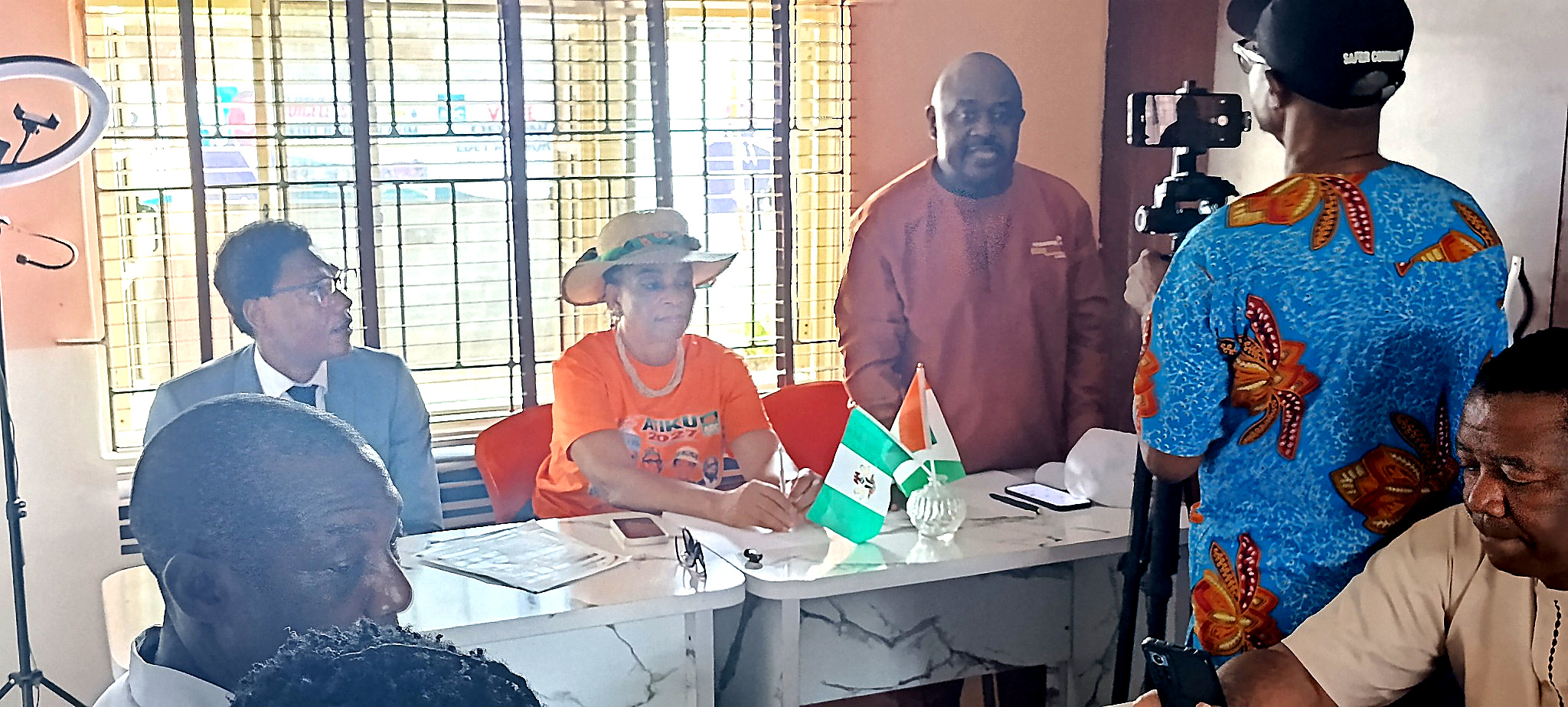
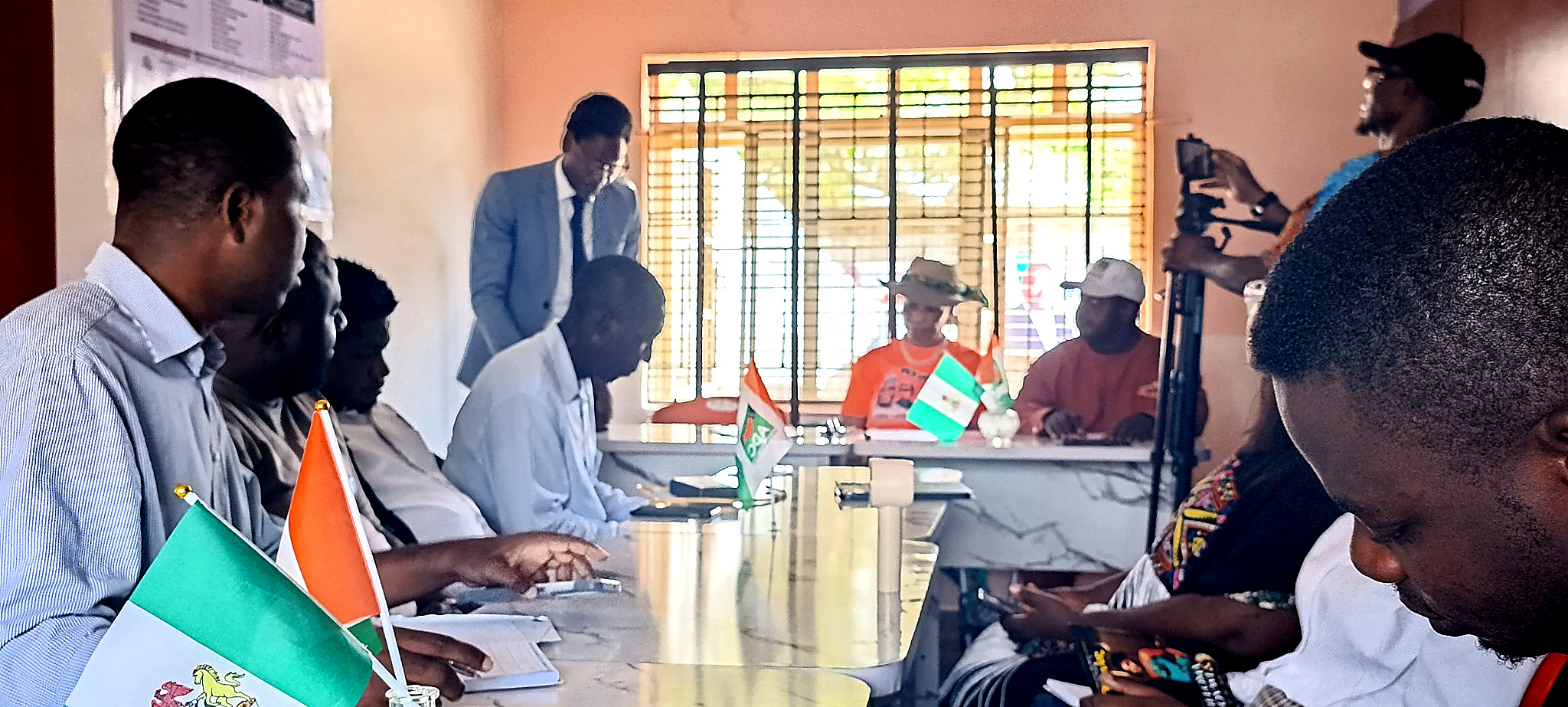
Unveiling her manifesto, titled “Building A Modern Cross River State – History In The Making,” in Calabar, Toyo presented a development agenda that seeks to move the state away from what she described as a condition of survival towards a productive economy where citizens have access to opportunities, essential services and improved living standards.
But beyond the policy promises, her decision to launch a Citizens-Led Campaign Fund alongside the manifesto carries a pointed political message: the people, not a handful of wealthy financiers, should have a stake in who governs Cross River and how the government is run.
The initiative seeks voluntary contributions from ordinary Cross Riverians, including those in the diaspora, to finance campaign activities across the state’s 18 local government areas.
Toyo’s argument strikes at an enduring problem in Nigerian politics: candidates who rely on powerful financial sponsors may enter public office with obligations that compete with the electorate’s interests.
Rather than allow campaign financing to remain the preserve of political moneybags, the former federal lawmaker and diplomat wants citizens to participate in funding the movement they hope will govern them.
“The citizens are at the centre of everything we are trying to do, whether it is in terms of the economic transformations we are trying to move forward,” she said.
A Manifesto Against Business As Usual
Toyo’s proposed development framework places productivity, economic growth and citizens’ empowerment at the centre of her vision for Cross River.
Its priority areas include security, education, healthcare, the rule of law, affordable housing, environmental protection, climate change, accountability and local government autonomy.
The breadth of the agenda reflects an attempt to address the interconnected problems confronting the state, from weak economic opportunities and inadequate public infrastructure to the delivery of essential services and the decentralisation of political power.
Her emphasis on productivity is particularly significant. Rather than defining development principally through government spending or the announcement of projects, the manifesto presents economic participation, employment and improved living standards as important measures of progress.
The candidate also envisions a clean, beautiful and orderly state, adopting “Vote for Performance” as the campaign’s central message.
Breaking The Godfather Financing Chain
The Citizens-Led Campaign Fund is arguably the most politically provocative element of Toyo’s unveiling.
The initiative challenges the conventional model in which candidates depend on wealthy individuals to finance expensive political campaigns, raising questions about who ultimately influences government decisions after elections.
By seeking contributions from ordinary citizens, Toyo is attempting to establish a different relationship between political leadership and the electorate, one in which campaign ownership is not concentrated in the hands of a few powerful financiers.
The fundraising structure is designed to support grassroots mobilisation, voter education, campaign materials and public engagement.
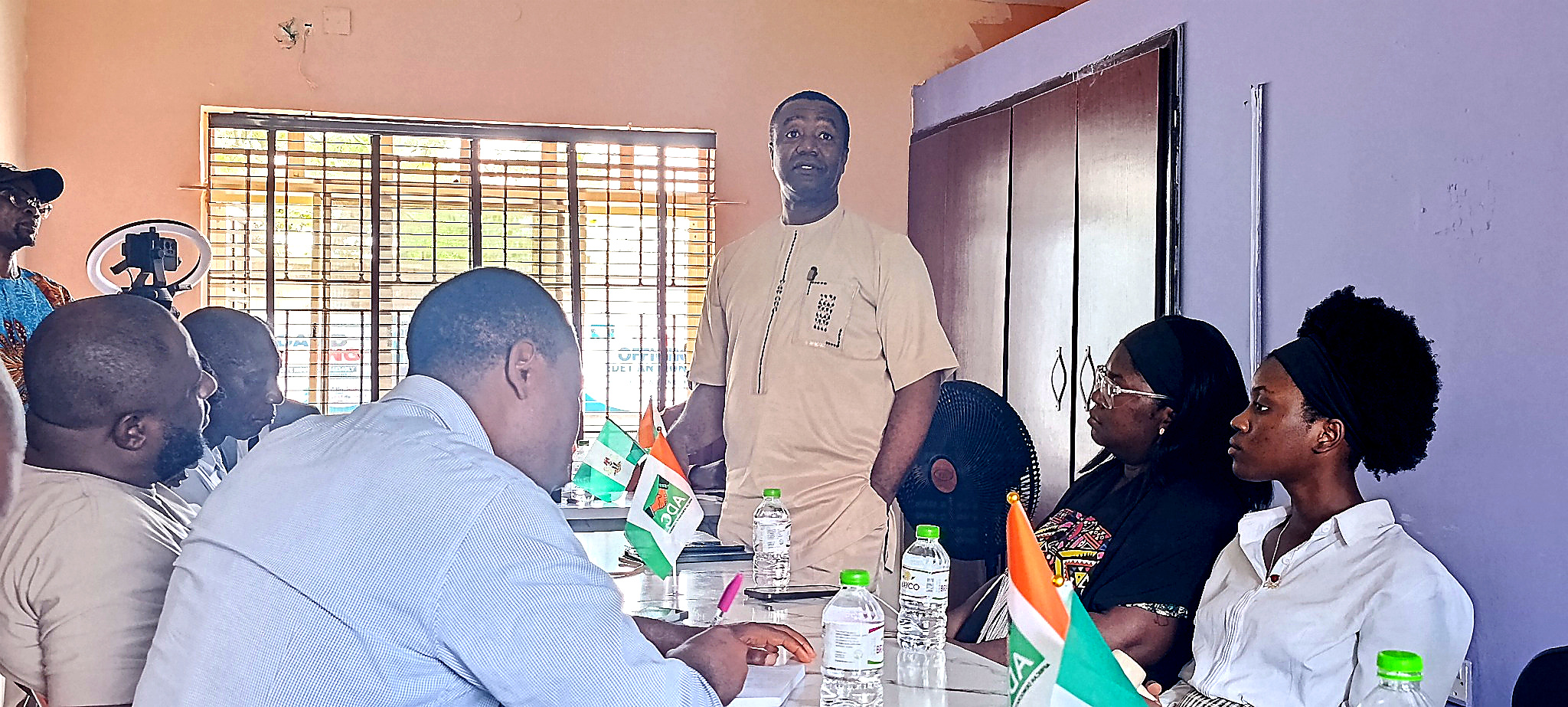
Comrade Richard Inoyo, Director of Fundraising and Citizens’ Action, said the initiative would operate within the Electoral Act 2022, particularly Sections 88 and 89, which address campaign expenditure limits and disclosure of political donations.
He said donations exceeding ₦1 million would be disclosed, while anonymous contributions were prohibited. The funds, he added, would be restricted to campaign activities within Cross River State.
Inoyo also identified the rehabilitation of schools, hospitals, water facilities and rural roads, alongside improved living standards, affordable fuel and sustainable employment, as priorities the campaign intends to pursue.
“Through our collective strength, we will defeat multidimensional poverty, overcome hunger and helplessness in our state, and restore governance standards and accountability in our lifetime,” he said.
The initiative is supported by KAI Africa Smart Tech Ltd and Citizens’ Solution Network, under the Citizens’ Solution Network Partners.
Contributions and further information are available through www.adccrscampaign.org and www.nkoyotoyo.ng.
The Political Battle Ahead
The manifesto unveiling comes days after the ADC inaugurated a 63-member campaign organisation in Calabar, intensifying its mobilisation ahead of the 2027 general elections.
The party’s state chairman, Hon. Godwin Effanga, described Toyo as an experienced political figure, while party leaders charged members to take the campaign to communities across the state.
With the unveiling, Toyo has placed three issues at the centre of her political proposition: who finances political leadership, who benefits from government and how public performance should be measured.
Her challenge to the established political financing culture also raises a broader question for Cross River’s political class: should access to government be determined by financial power, or should citizens have a stronger voice in choosing leaders and holding them accountable?
For the ADC candidate, the argument is that Cross River cannot build a modern economy on a political system that places the interests of sponsors above those of the people.
Whether the manifesto can withstand the pressures of electoral politics and deliver on its promises will ultimately be judged by voters. But Toyo has made clear that she intends to make the structure of political power, not just the promise of development, a central issue in the 2027 contest.
Pictures: